
Assessment Beyond Grades: Supporting Student Learning and Well-Being
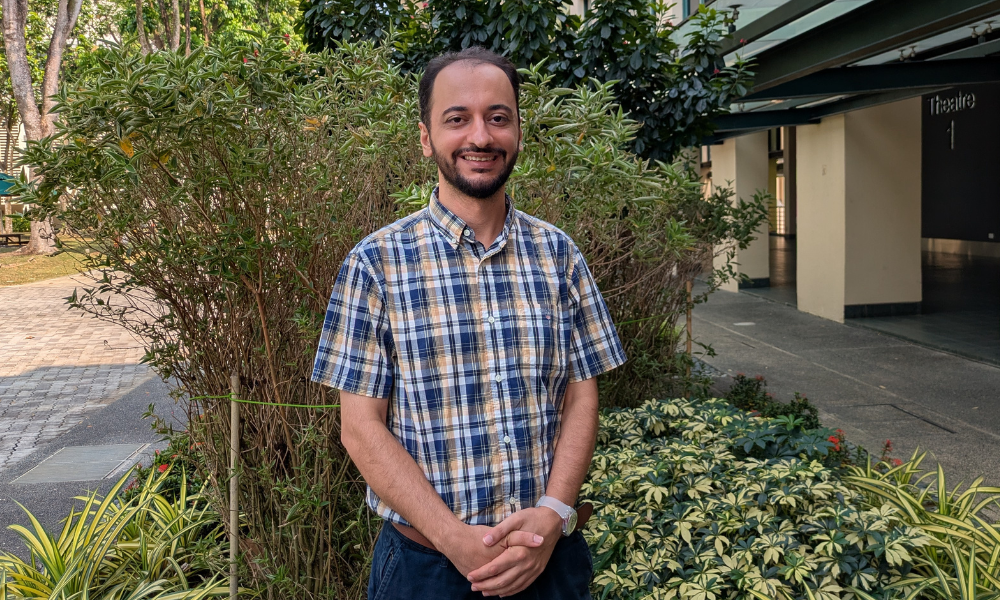
Assessment is often reduced to scores and grades, but its impact runs deeper. Dr Chue Kah Loong, Deputy […]
Read More

Assessment is an integral part of education, yet conversations about it often centre on grades, examinations and achievement. While these remain important, our understanding of assessment needs to evolve together with the educational landscape. When designed and used purposefully, it can shape learning behaviours, increase motivation and strengthen students’ ownership of their learning.
In this issue of SingTeach, we explore the relationship between assessment and student well-being. Rather than viewing the two as competing priorities, we consider how thoughtful assessment practices can support well-being and students’ growth.
This begins with looking beyond assessment as an endpoint. Assessment can be part of an ongoing learning process that helps teachers and students understand where learners are, where they need to go and what they can do next. Just as importantly, we need to consider how students experience assessment. Assessment is not emotionally neutral; it evokes emotions and these emotions influence how students engage with learning.
For educators, this means thinking carefully not only about what we assess, but also why and how we assess. Assessment evidence can inform our teaching, help us respond to different learner needs and create opportunities for students to take a more active role in their own learning. The classroom experiences shared in this issue also remind us that improving assessment does not always require a major redesign. Small but purposeful changes can make assessment a more meaningful part of learning.
These questions have become even more pressing with the rapid development of generative artificial intelligence (AI). Capabilities such as reasoning, adaptability, evaluative judgement, self-assessment and self-regulation are likely to become increasingly important. At the same time, teachers will need strong assessment literacy and professional judgement to determine when and how AI should be incorporated into assessment.
We need to continually explore questions surrounding the evolution of assessment, specifically its relationship with student well-being, the growing importance of assessment literacy and what the rise of AI might mean for assessment. Collectively, the perspectives in this issue invite us to see assessment not simply as a means of measuring educational outcomes, but as a powerful means of shaping learning, developing learners and preparing them for the future.
Dr Chue Kah Loong
Deputy Head, Psychology and Child & Human Development Department
Co-Head, Centre of Assessment and Evaluation
National Institute of Education