
Assessment for Learning, Progress and Well-Being
Assessment is an integral part of education, yet conversations about it often centre on grades, examinations and achievement. […]
Read More
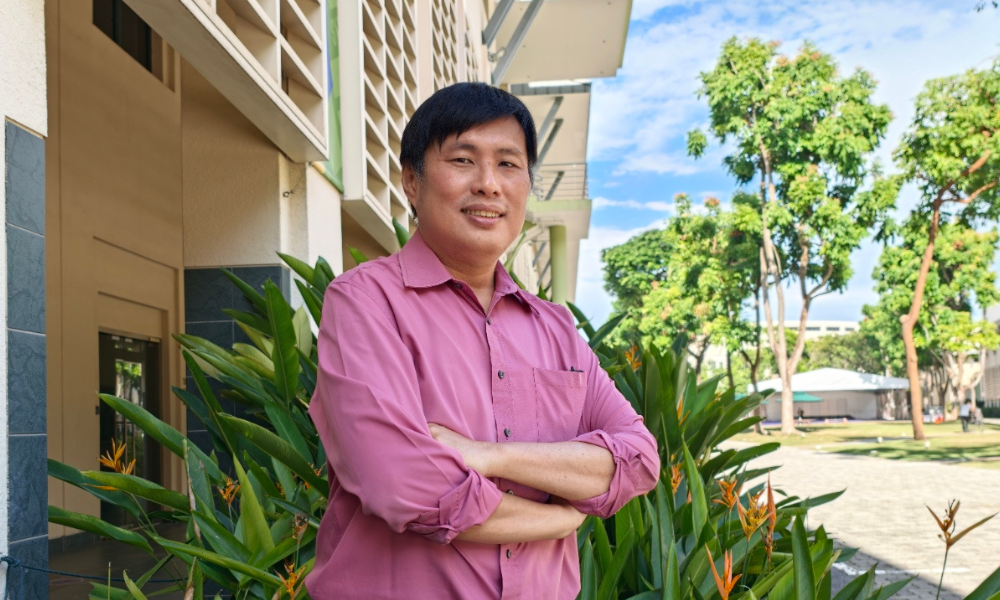
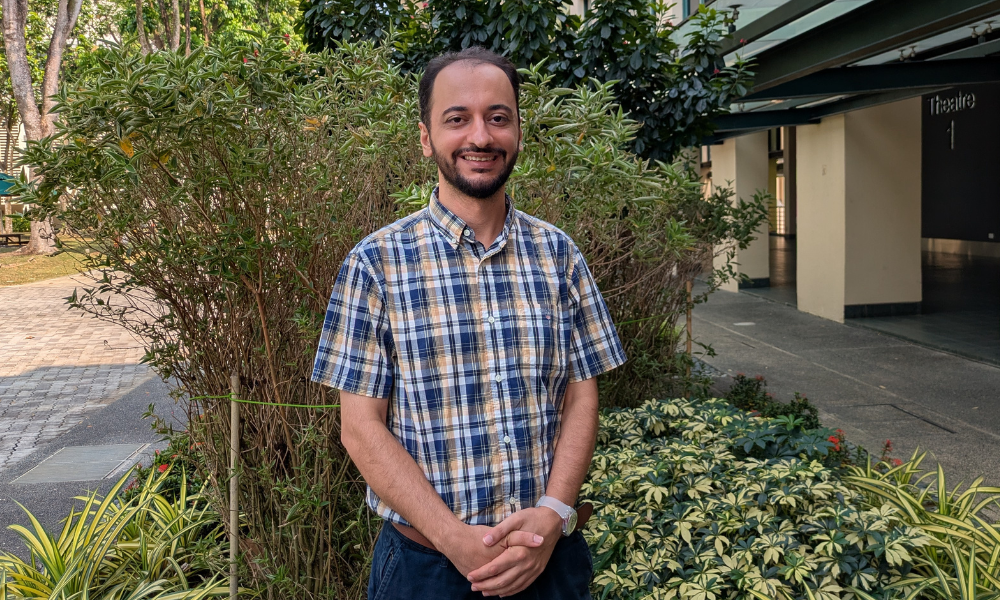
Assessment is more than a measure of what students know. Used purposefully, it can help teachers understand how students are learning, identify where support is needed and create opportunities for students to experience success. SingTeach speaks with two teachers – Mdm Maybelline See from First Toa Payoh Primary School and Mr Mohammed Rais from Crescent Girls’ School – who share how they use assessment evidence to inform their teaching while supporting students’ confidence, motivation and well-being.

For Mdm Maybelline See, Level Head/Mathematics at First Toa Payoh Primary School, assessment is most useful when it helps her understand how her students are learning. At her school, she uses differentiated assessment based on students’ readiness. She notes that students’ readiness can vary across mathematics topics. A student who demonstrates confidence in whole numbers, for example, may require support when learning fractions.
“Readiness is therefore dynamic, and assessment needs to be equally responsive,” she says.
Rather than waiting until the end of a topic, she gathers evidence from the beginning and throughout the lesson. Readiness checks and mathematics discussions help her identify learning gaps. She also draws on observations and students’ written work. Based on this evidence, she adjusts the level of scaffolding while keeping the same learning intentions for every learner.
She also co-constructs success criteria with students, helping them understand what successful mathematical thinking looks like, monitor their own progress and reflect on the strategies they use. This gives students greater ownership of their learning and strengthens their metacognitive awareness.
“Ultimately, differentiated assessment enables me to understand not just whether students have learnt, but how they are learning,” she explains. “This allows me to respond purposefully and support the learner to progress from where they are.”
For Mr Mohammed Rais, a Mathematics and Social Studies teacher at Crescent Girls’ School, item analysis helps him better understand students’ performance in Social Studies. Weighted assessment and end-of-year examination results are analysed by question type, with each question testing particular skills and answering techniques. Tools such as the facility index and discrimination index help him and his colleagues identify strengths and areas for improvement across different groups of students.
“If only specific lower-progress students struggle with a question type, the follow-up remediation session can focus on those students,” he explains. “If an area for improvement appears across the entire level, teachers review the relevant skills with their own classes.” He notes that this is a change from requiring all lower-progress students to attend every remediation session, adding that a more targeted approach frees up teachers’ time and energy to focus on students who need the intervention.
The way assessment is pitched can also make a difference to students’ motivation and confidence.
Rais observes this in his Social Studies G2 class, where many students begin the year with low motivation and confidence. He realizes that if class assignments and practice exercises are forms of assessment, appropriate pitching should begin with these tasks too.
“Whenever I craft practice tasks and exercises for them, I always remind myself that they need to be set up for success so that they would be more motivated to pursue future successes,” he shares.
One approach is to use checklists in practice exercises. Rais finds that they provide a balance of structure and flexibility which suit his students better than more rigid answering templates.
Seeing many students craft well-written answers in their practice exercises encouraged him. “I can see that this is the affirmation and taste of success they need, as they start taking practice exercises more seriously,” he says.
Rais also observes improved motivation and performance in their weighted assessment tests. He is heartened to see students genuinely trying their best in practice exercises, despite the low stakes.
For Maybelline, students’ experience of assessment is also closely connected to well-being. Some of her Learning Support Mathematics students have experienced repeated setbacks in mathematics. These students may associate assessment with grades and failure rather than growth.
“What we can influence is how students experience assessment in our classrooms every day,” she shares. Differentiated assessment allows her to respond while learning is still taking place. Students work towards the same learning goals, with different levels of support according to their readiness.
“When students experience meaningful success, they develop positive emotions, confidence and a sense of accomplishment,” Maybelline notes. “My hope is that they begin to believe that growth in mathematics is possible.”
“Whenever I craft practice tasks and exercises for them, I always remind myself that they need to be set up for success so that they would be more motivated to pursue future successes.”
– Rais, on how he motivates his students through practice tasks and exercises
Their involvement in the MOE Assessment Champions initiative has also shaped how both teachers approach assessment.
As an Assessment Champion, Rais has completed NIE’s Certificate in School Assessment (CSA). He says the course has shaped his fundamental understanding of assessment and equipped him with approaches he now uses in class.
“I am now cognizant that almost anything that gives you information that impacts your decision-making as an educator can be regarded as a form of assessment,” he says.
For Rais, this can be as basic as classroom questioning. Thoughtfully crafted questions can show how well students have understood the material. Their responses then help him decide what to focus on in upcoming lessons. Practice exercises and homework similarly inform the feedback and intervention he provides.
Maybelline describes a shift in the questions she asks as a teacher.
“Instead of asking, ‘How well did my students perform?’, I ask, ‘What does this evidence tell me about how each learner is learning, and what should happen next?’” she shares.
The Assessment Champions initiative has led her to explore differentiated assessment more deeply. It eventually shaped her practitioner inquiry into its role in promoting student well-being. Through this journey, she has come to appreciate that fairness does not necessarily mean assessing every learner in the same way.
“To me, equity means providing appropriate support and opportunities for learners with different readiness levels to work towards the same learning goals,” she remarks.
Conversations with colleagues have helped both teachers review assessment practices in their schools. At First Toa Payoh Primary School, professional learning teams and level discussions give teachers opportunities to design assessments together and analyse students’ responses. They then consider how the evidence can inform subsequent teaching.
At Crescent Girls’ School, Rais and his colleagues have been working to pitch their preliminary examinations in closer alignment with the O-level examinations. Their discussions consider factors such as question demands, the scope of topics and the application of rubrics.
These discussions have also challenged how teachers think about testing.“We are moving away from ‘testing for lack of mastery’ and towards ‘testing for mastery’,” he shares.
“When we intentionally use evidence to decide what happens next, assessment becomes a powerful means of helping every learner make progress from wherever they are.”
– Maybelline, on using assessment evidence to guide learner progress
Rather than viewing tests as a “wake-up call” signaling that students need to practice more, he says they can be used to identify areas for targeted intervention and move students towards mastery. He sees this mindset shift as critical at a time when assessment anxiety has become increasingly pertinent among students.
“When assessment is purposeful and pitched appropriately, student well-being and academic progress can definitely go hand in hand,” he says.
For Maybelline, assessment is similarly a starting point for deciding how to support each learner’s progress. “My biggest takeaway is that assessment is not an end point, it is the starting point for better teaching,” she says. “When we intentionally use evidence to decide what happens next, assessment becomes a powerful means of helping every learner make progress from wherever they are.”