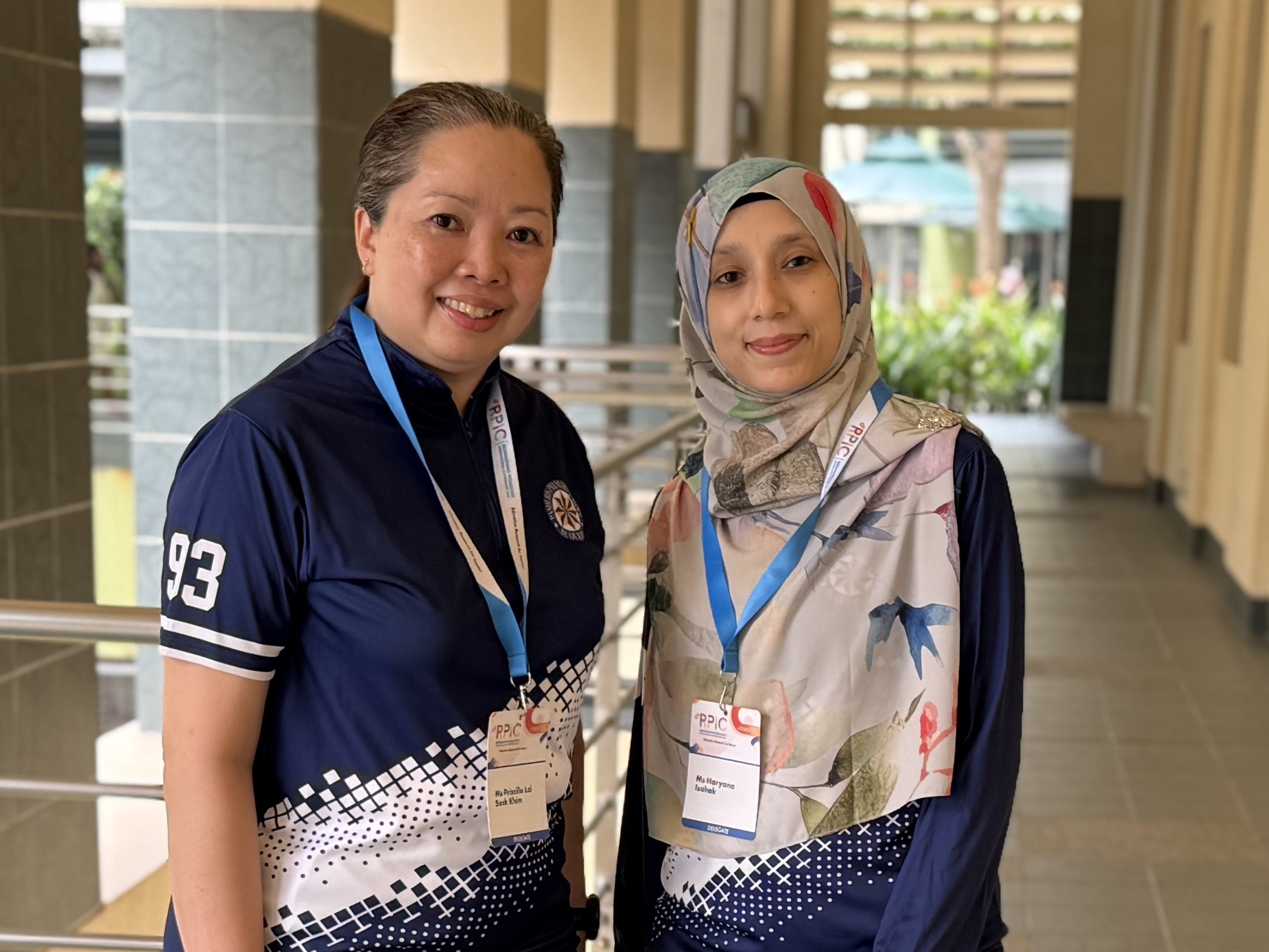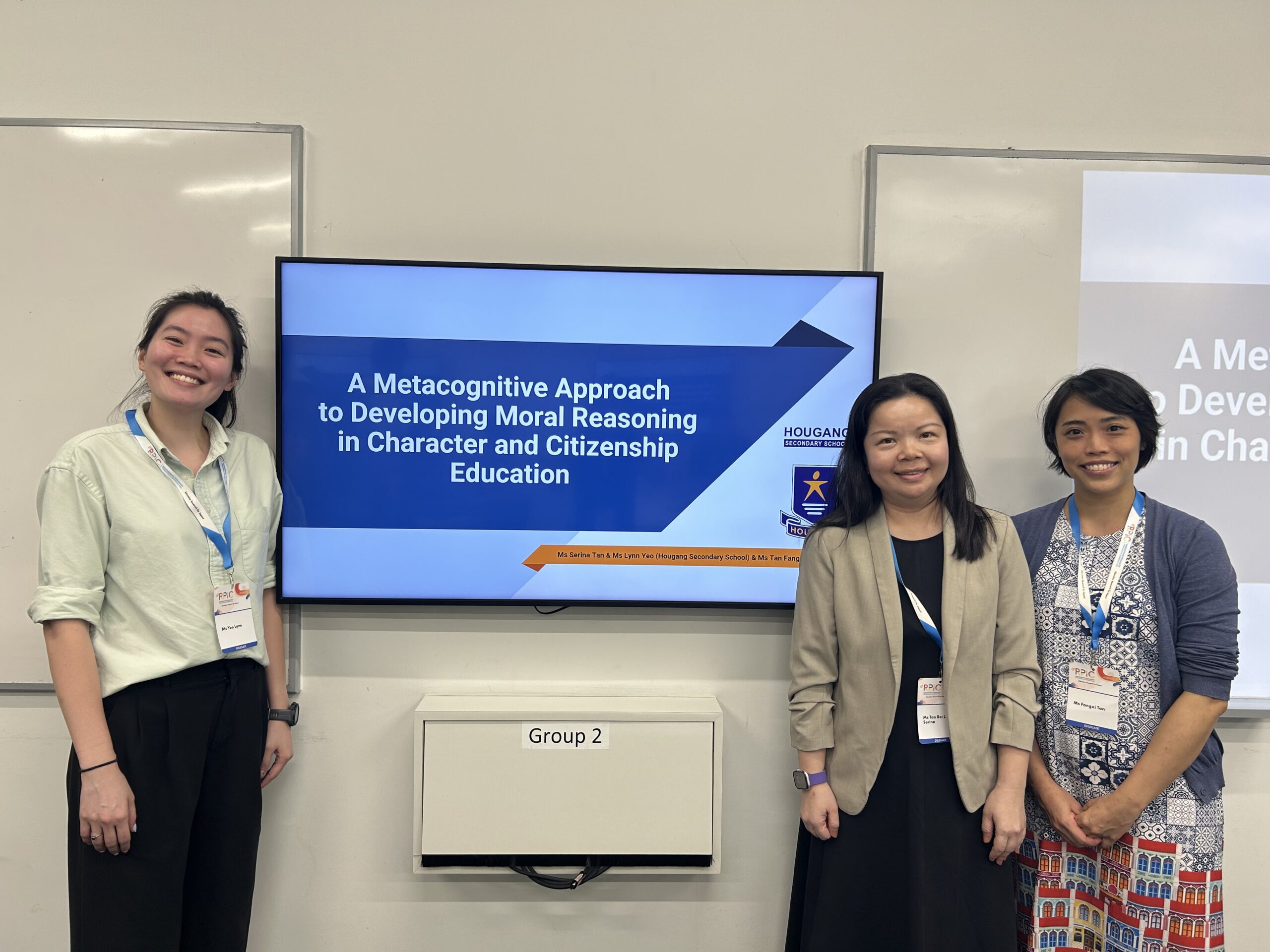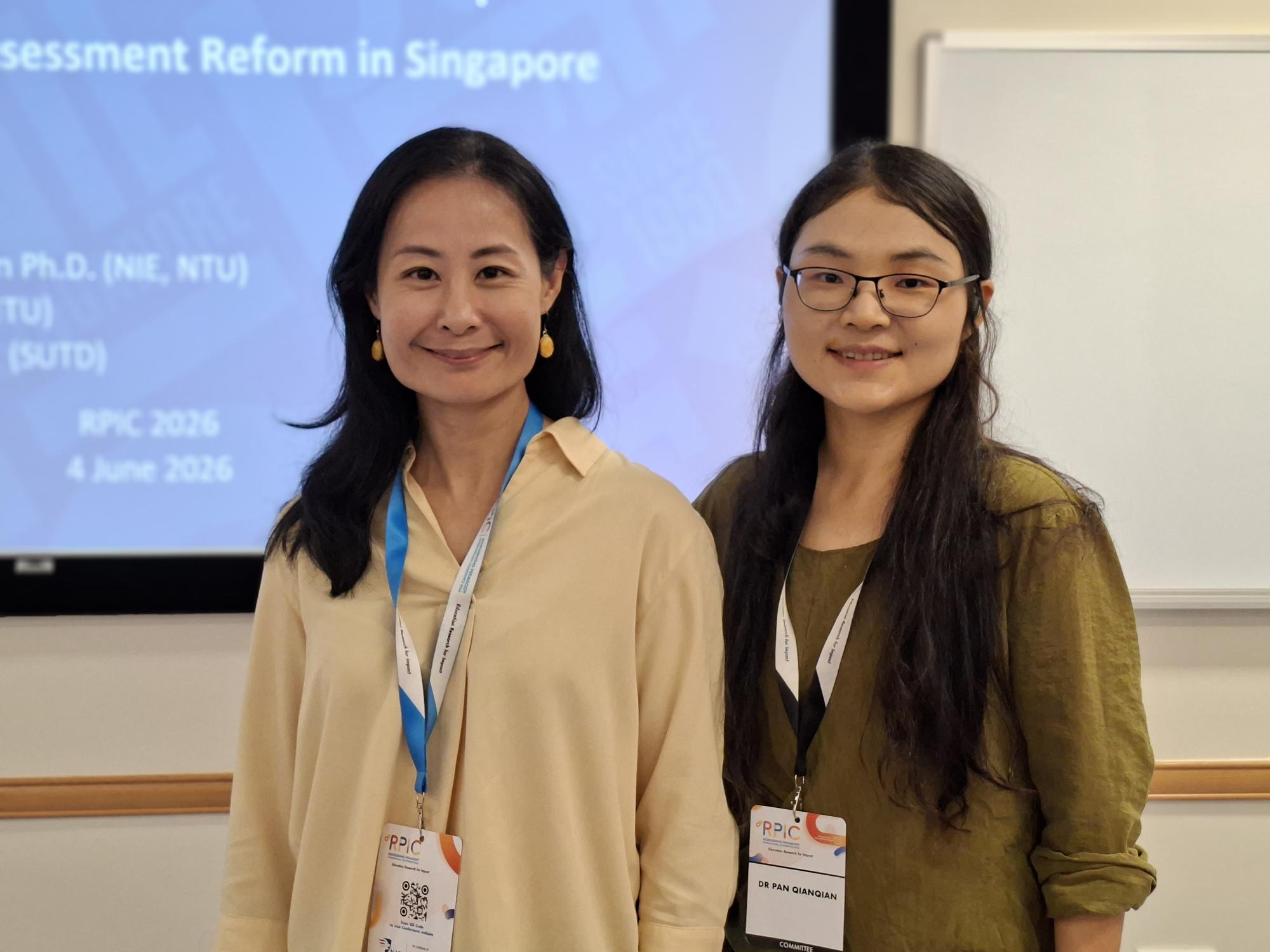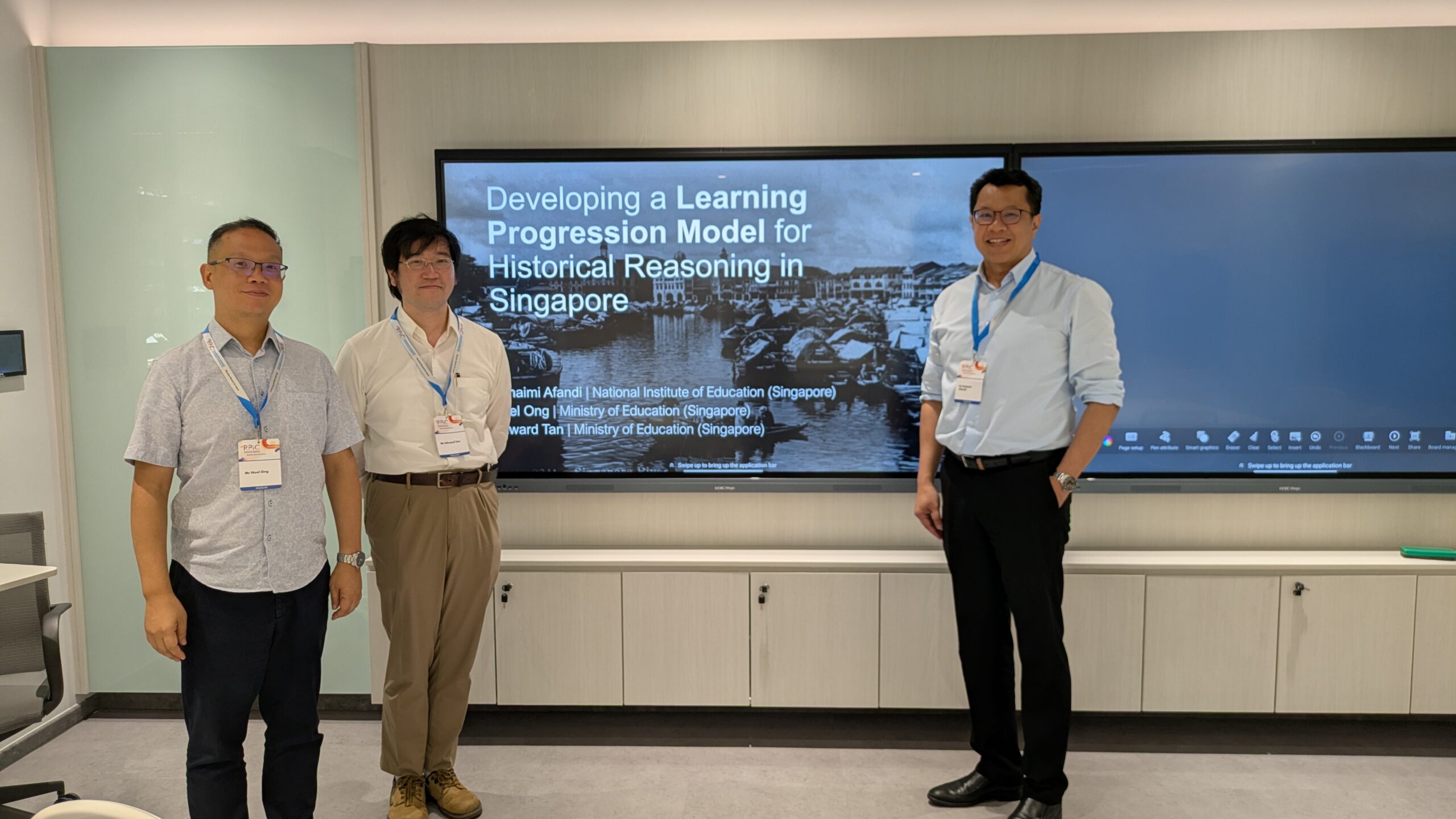
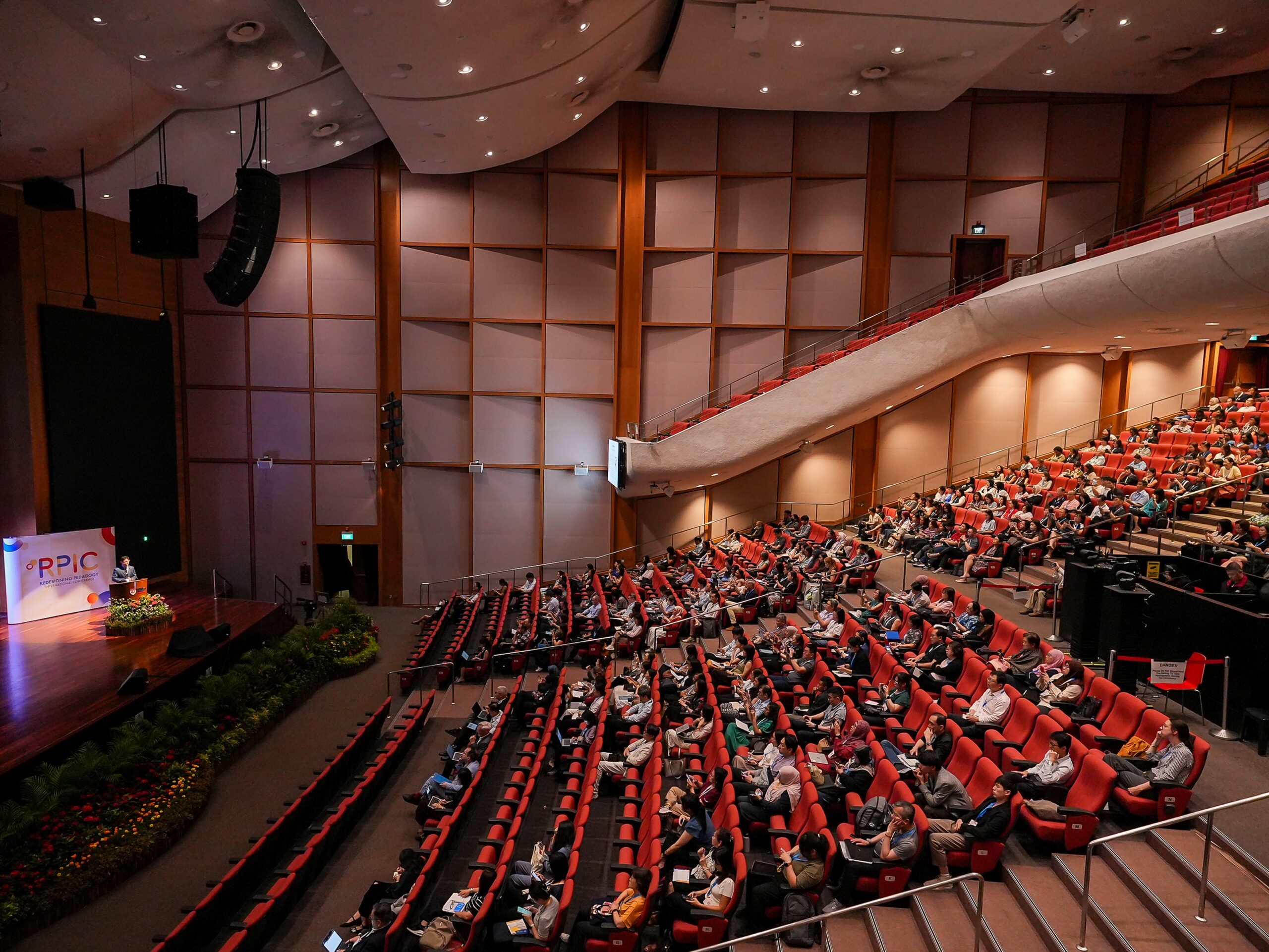
The Conversations Continue: From Research to Impact
What does it mean for education research to make a real difference in schools? That question sat […]
Read More
How can teachers stay ahead in the era of generative AI? As classrooms evolve, it is critical to spot opportunities and tackle the challenges head-on. Here are five key Themes (5Ts) and three practical ‘R’ guidelines (3Rs) to help educators navigate the changing landscape with confidence.
This article examines the role of generative artificial intelligence (AI) in education, highlighting its potential to enhance learning while addressing challenges such as plagiarism and transparency. It proposes five common themes (5Ts) and three guidelines (3Rs) for educators to navigate the evolving landscape of generative AI in classrooms.
Use generative AI for summarization tasks, automation of routine work and improvement of information access through natural language queries.
Be aware of generative AI’s limitations such as hallucinations and unreliable accuracy, non-transparency issues (also known as the “black box problem”), and potential biases built into large language models.
Allow student ideation and creativity processes to emerge during lessons, and adapt assessment strategies to evaluate social and relational aspects of pedagogy, rather than for performative assessments.
The effective and ethical use of generative AI depends heavily on informed users for responsible and inclusive outcomes.
One should continuously update skills to remain relevant as AI capabilities expand.
Incorporate interactive presentations, portfolios and digital-free components to fairly assess student work, with a focus on developing higher-order learning outcomes, such as creativity and critical thinking skills, when designing lessons and learning activities.
Help teachers and students understand AI capabilities and limitations while teaching data literacy fundamentals, treating the nascent rise of generative AI as an opportune period for in-depth reflection and skills upgrading whenever possible.
Develop consistent policies, even at school or community levels, around the use of AI that emphasize academic integrity and for AI tools to be reconsidered as integral tools to support – rather than replace – educators in higher education.
This research summary was generated by Coral AI and has been reviewed by the authors.