The Conversations Continue: From Research to Impact
What does it mean for education research to make a real difference in schools? That question sat […]
Read More
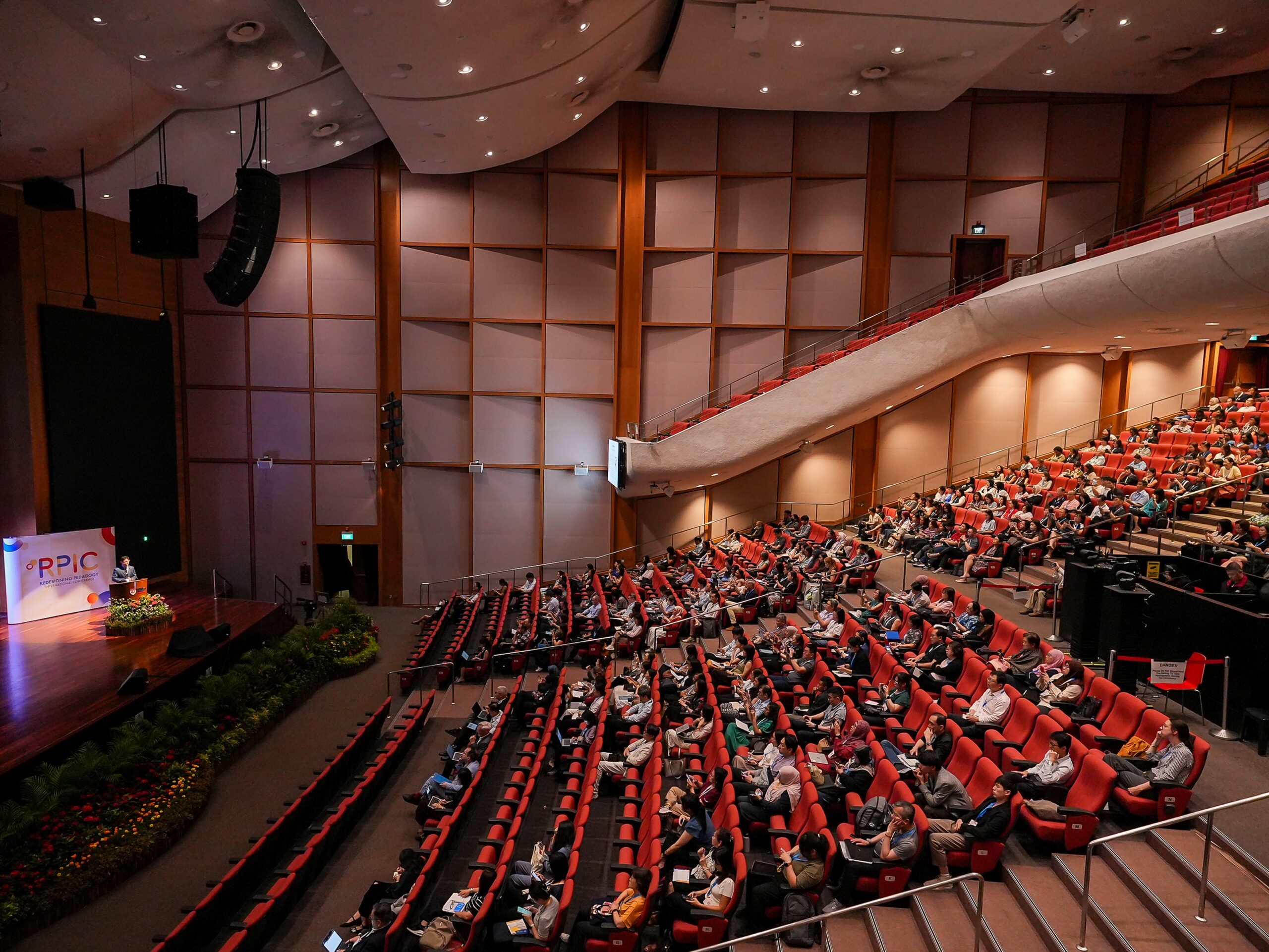
Educational challenges today rarely have simple solutions. From the rapid advancement of artificial intelligence to shifting expectations of what it means to thrive in an uncertain future, addressing these challenges requires research that is rigorous, relevant and responsive to rapidly evolving realities. The 11th edition of NIE’s Redesigning Pedagogy International Conference (RPIC) brings together educators, school leaders, researchers and policymakers to explore how education research can generate meaningful, lasting impact. In this Big Idea article, RPIC 2026 Conference Convenors Professor Kenneth Poon and Dr Dennis Kwek share what education research looks like in practice, and how it shapes classrooms, informs policy and transforms learner experiences.
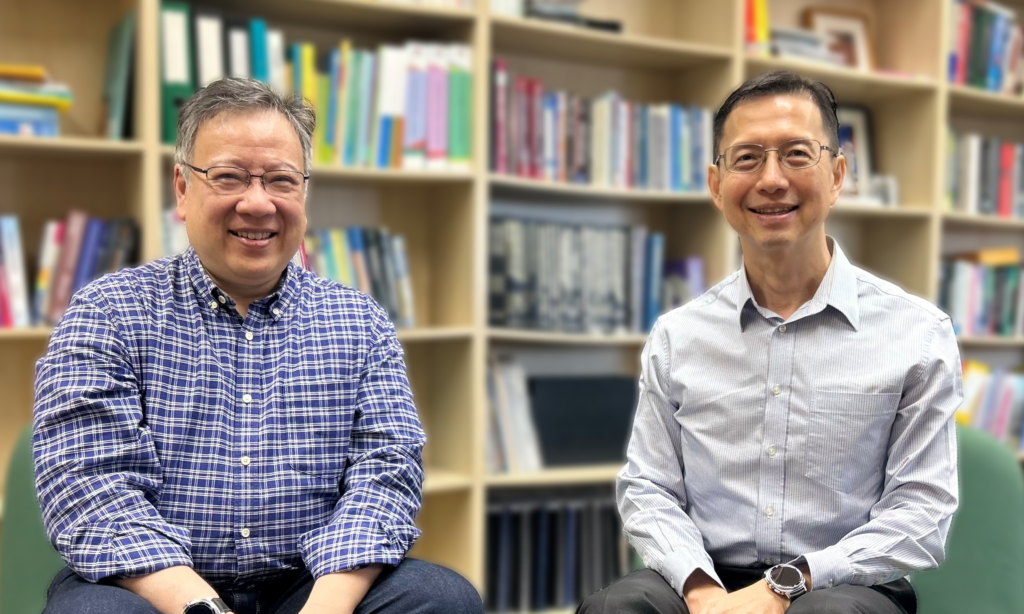
From left: Dr Dennis Kwek and Professor Kenneth Poon, Office for Research, NIE
The challenge for education research is not simply to produce knowledge, but to remain responsive in a world where change is occurring at an unprecedented pace.
“In such an environment, research must remain responsive to emerging challenges and translate into meaningful improvements in policy and practice,” Professor Kenneth Poon, who is also Dean of Office for Research (OfR) at the National Institute of Education (NIE), Singapore, says.
Dr Dennis Kwek, who is also Associate Dean (Global Strategic Engagement) and Principal Education Research Scientist at OfR, echoes this sentiment. “We’re living in a time of rapid transformation – with technological shifts, evolving learner needs and growing complexity in our education systems,” he says.
Keeping pace with this complexity, however, is rarely straightforward. Understanding how students develop critical thinking, resilience or socio-emotional competencies, for instance, often requires years of sustained inquiry that generates the robust evidence base needed to inform policy and practice over time. At the same time, researchers are increasingly confronted with developments that demand more immediate responses.
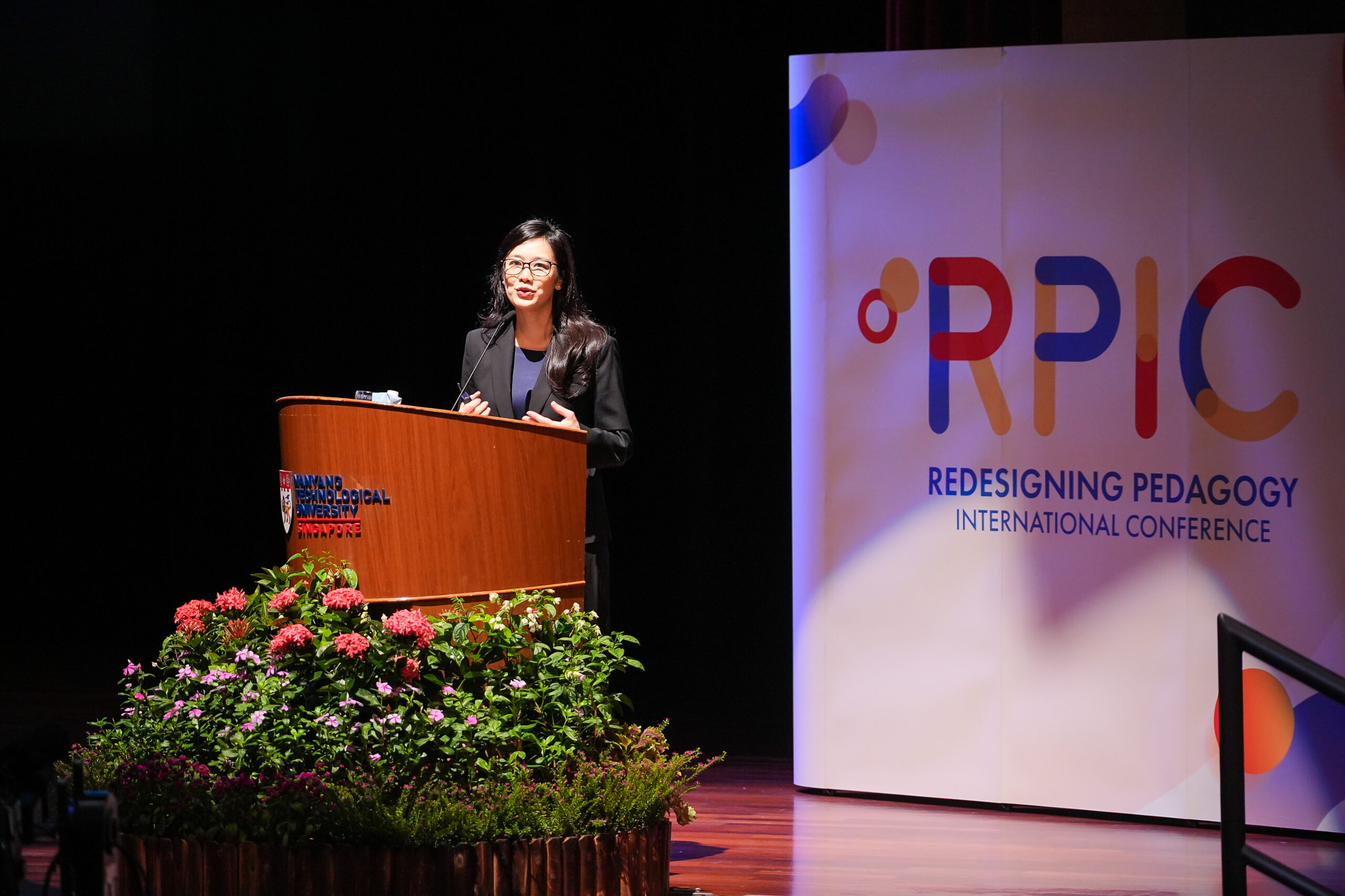
This tension is something Minister for Education and Minister-in-charge of Social Services Integration Mr Desmond Lee acknowledges in his opening address at the 3-day education conference. He highlights the dual challenge facing education researchers: pursuing rigorous investigations that require “multi-year, longitudinal studies” while also being able to “move quickly to respond in a fast-moving environment”.
Artificial intelligence (AI) is a case in point: the rapid advancement of AI technologies has transformed how students access information, complete tasks and engage with learning, sometimes faster than educational institutions can adapt.
“To implement this well, we need strong research to understand how AI affects our children’s learning and development, and how to deploy it appropriately,” he notes.
He identifies three areas where research must do more:
The conference programme spans a wide range of themes, from AI to early childhood education and lifelong learning, to citizenship education and human flourishing. While these areas may appear distinct, they share a common concern: how education can prepare learners to navigate a complex and volatile world.
“One of the key highlights of RPIC 2026 is the breadth of topics and perspectives represented in the programme. With the availabilty of a rich mix of keynote addresses, symposiums, masterclasses and interactive workshops, participants are encouraged to explore unfamiliar perspectives, exchange insights and consider new possibilities for collaboration,” Professor Poon shares.
Dennis adds that the breadth of the programme is a reminder that educational improvement rarely follows a single pathway. “Different learners, schools and communities face different challenges, and solutions that prove effective in one context may not necessarily translate to another,” he points out.
By bringing together diverse strands of research, RPIC aims to foster conversations that might not have emerged within individual fields alone, thus reinforcing the importance of looking beyond traditional disciplinary silos. Both convenors stress that meaningful educational innovation often occurs not within a single discipline, but at the intersections where different perspectives meet.
“We invite participants to join us not only to share their work, but to be part of a larger conversation about impact; how what we do, collectively, can lead to tangible improvements in classrooms, schools and education systems,” Dennis adds.
“Teachers are uniquely positioned to observe how students learn, how classroom environments shape engagement and how different approaches influence outcomes.”
– Professor Poon, on how teachers are in a unique position to influence students’ outcome
As new technologies emerge and learner needs evolve, educators are often among the first to observe how these developments affect learning. Their experiences offer valuable insights that help researchers identify pressing questions and emerging areas of inquiry.
“Teachers are uniquely positioned to observe how students learn, how classroom environments shape engagement and how different approaches influence outcomes,” Professor Poon notes. “These everyday observations raise powerful questions, and research can help explore and build on the answers.”
When teachers engage with research – whether by applying evidence, reflecting on their own practice or collaborating with researchers – they contribute to a richer, deeper understanding of teaching and learning that benefits the entire education community. “That connection between the classroom and the research community is at the heart of what RPIC is all about,” he adds.
For Dennis, the message to teachers is clear. “Research is not something distant or abstract; it is a resource for your professional growth and your students’ success,” he remarks.
Professor Poon agrees, noting that evidence does not replace the expertise teachers already bring to their work. “Every teacher is already making thoughtful decisions every day. Evidence doesn’t replace that expertise, it sharpens it,” he emphasizes. “Sometimes, even a small shift, grounded in insight and reflection, can unlock powerful learning moments for students.”
Looking ahead, Dennis hopes that every teacher who attends RPIC 2026 leaves not just informed, but inspired. “We hope every participant leaves confident to try something new, reflect deeply and continue growing as both a practitioner and a learner,” he says.