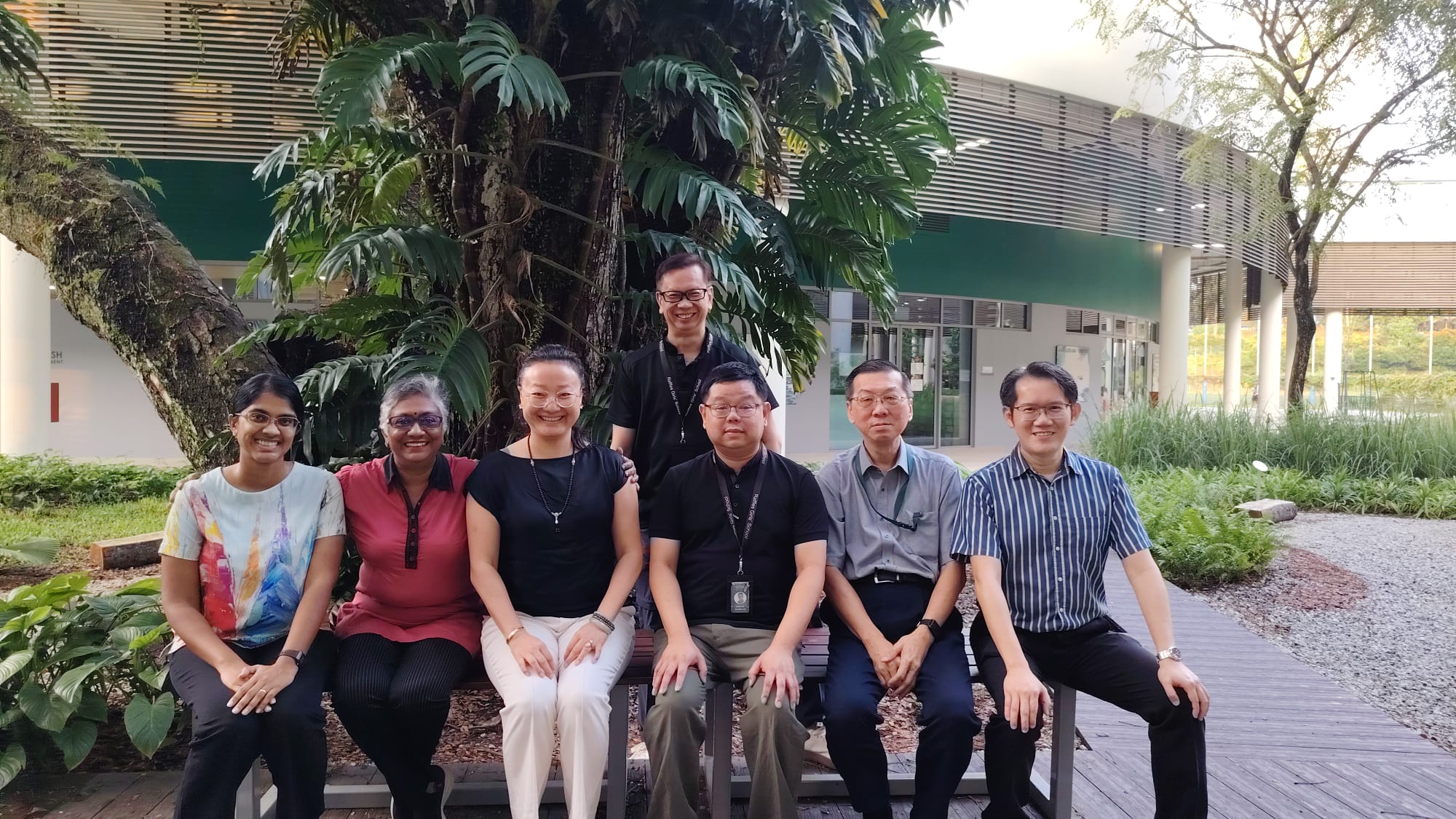

Sailing Uncharted Waters: How Shared Leadership Kept a Department Moving Forward
Contributed by Ms Fazila Banu D/O Mohamed Rabiullah and Ms Jasmine Sujatha from Yuan Ching Secondary School, for […]
Read More

Adaptability, resilience and reflection are often spoken of as separate qualities, but together they define the kind of professional teachers need to become in today’s dynamic educational landscape. In an environment marked by shifting curricula, diverse learner profiles and rapid technological change, adaptability is no longer something to be seen as “good to have”. Instead, I see adaptability as a core disposition that allows teachers to navigate uncertainty with confidence and purpose.
At NIE, research and practice consistently point to adaptability as a journey rather than a trait. Adaptable teachers are willing to question assumptions, try new approaches, fail forward and see uncertainty as a resource for growth rather than a threat. This mindset is closely intertwined with resilience, understood not just as “bouncing back” from difficulty, but “bouncing forward” – using challenges, daily hassles and even setbacks as catalysts for new insights, identity growth and professional renewal, a perspective highlighted by Associate Professor Fang Yanping in the “Research in Action” article.
Such growth does not happen in isolation. Teacher resilience is strengthened in supportive ecosystems where colleagues, mentors and school leaders create safe spaces for risk-taking, meaning making and honest conversations about the struggles that teachers face. Within these spaces, reflection becomes the bridge connecting experience and learning. As shared by Dr Lee Shu Shing, when reflection is not treated as a mere form-filling exercise, but as a disciplined, evidence-informed inquiry into real classroom dilemmas, teachers can deepen their pedagogical reasoning and refine their practice in context.
In this issue, we also hear directly from educators who are learning to adapt in their own classrooms, schools and communities. Their stories – including Principal Ms Hannah Chia’s conviction that growth is forged through “productive struggle” and grounded in authentic, in-situ professional learning – remind us that adaptability is cultivated over time, in real classrooms with real students. Together, these voices show that when teachers adapt, “bounce forward” and reflect with curiosity, they do more than cope with change; they help shape it, modelling for their students what it means to keep learning and growing through complexity.
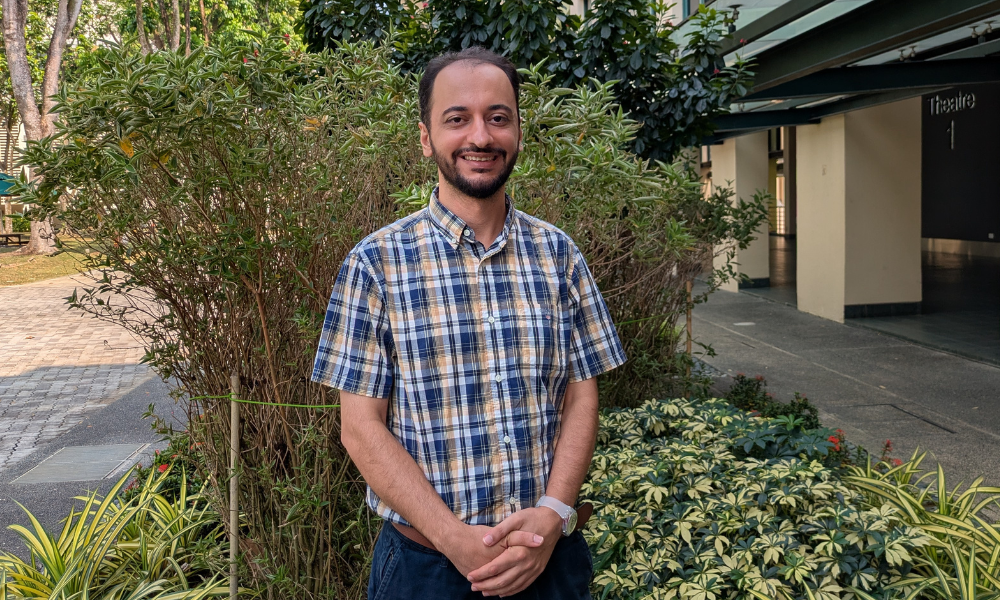
Associate Professor Chow Jia Yi
Dean, Teacher Education & Undergraduate Programmes
National Institute of Education