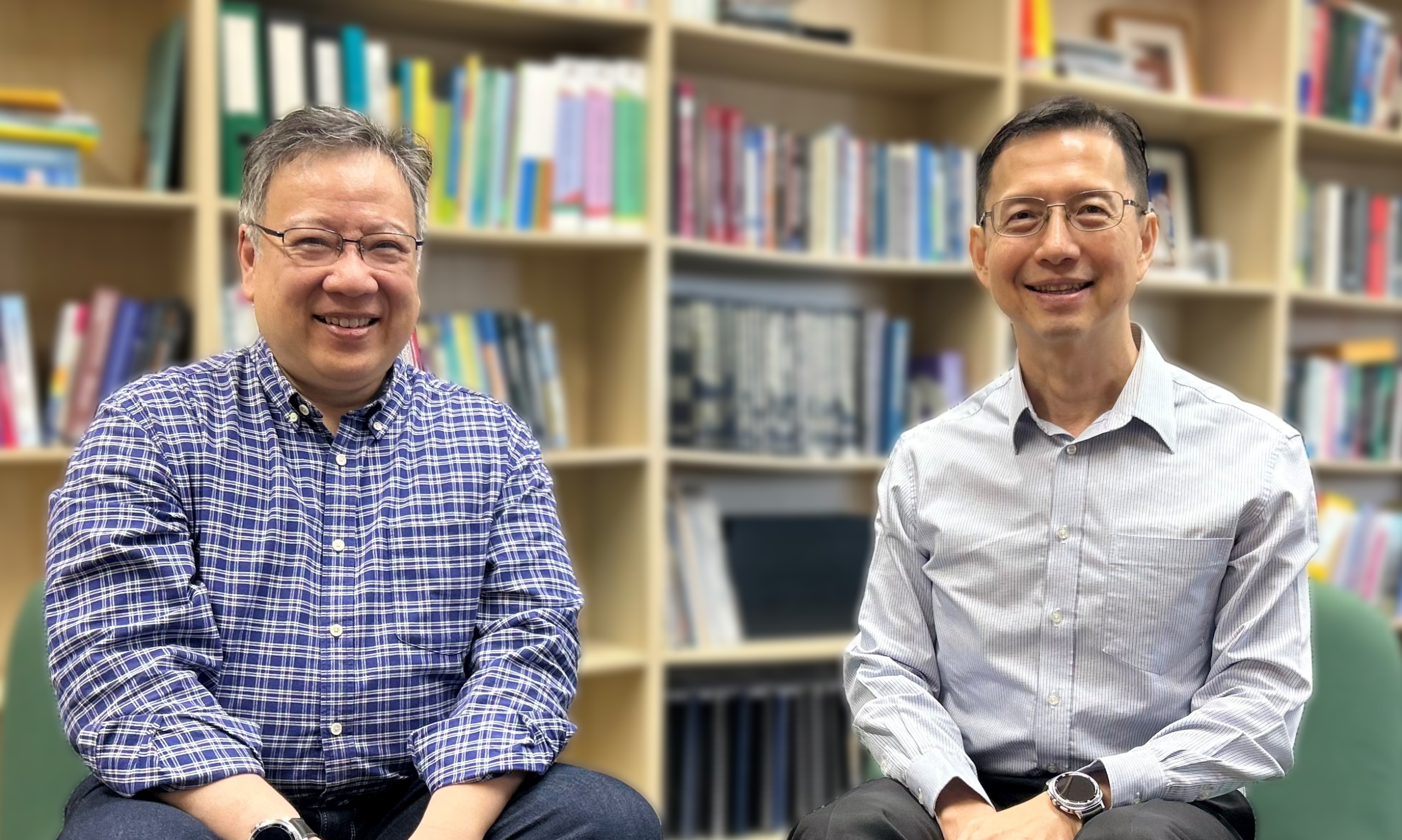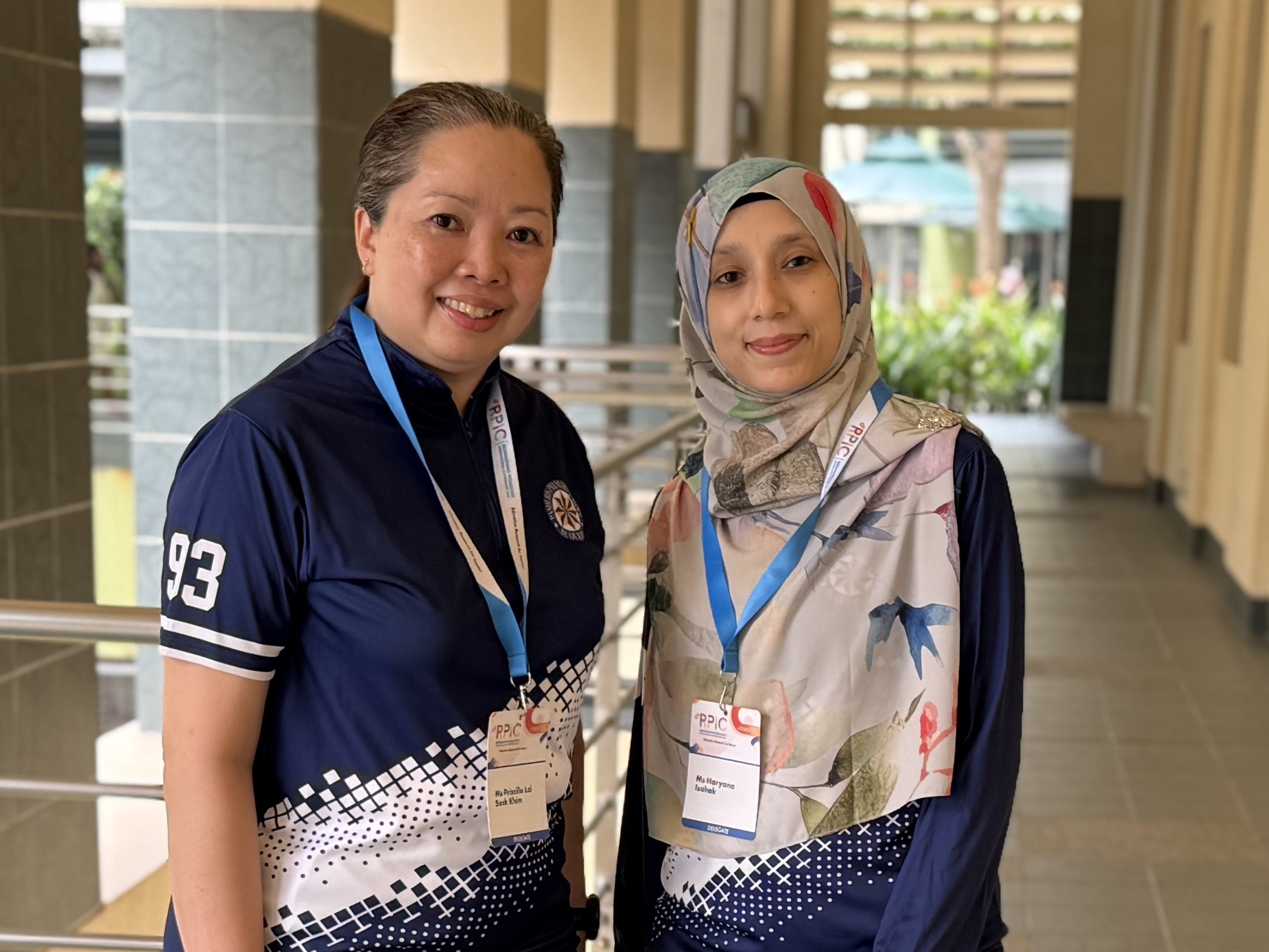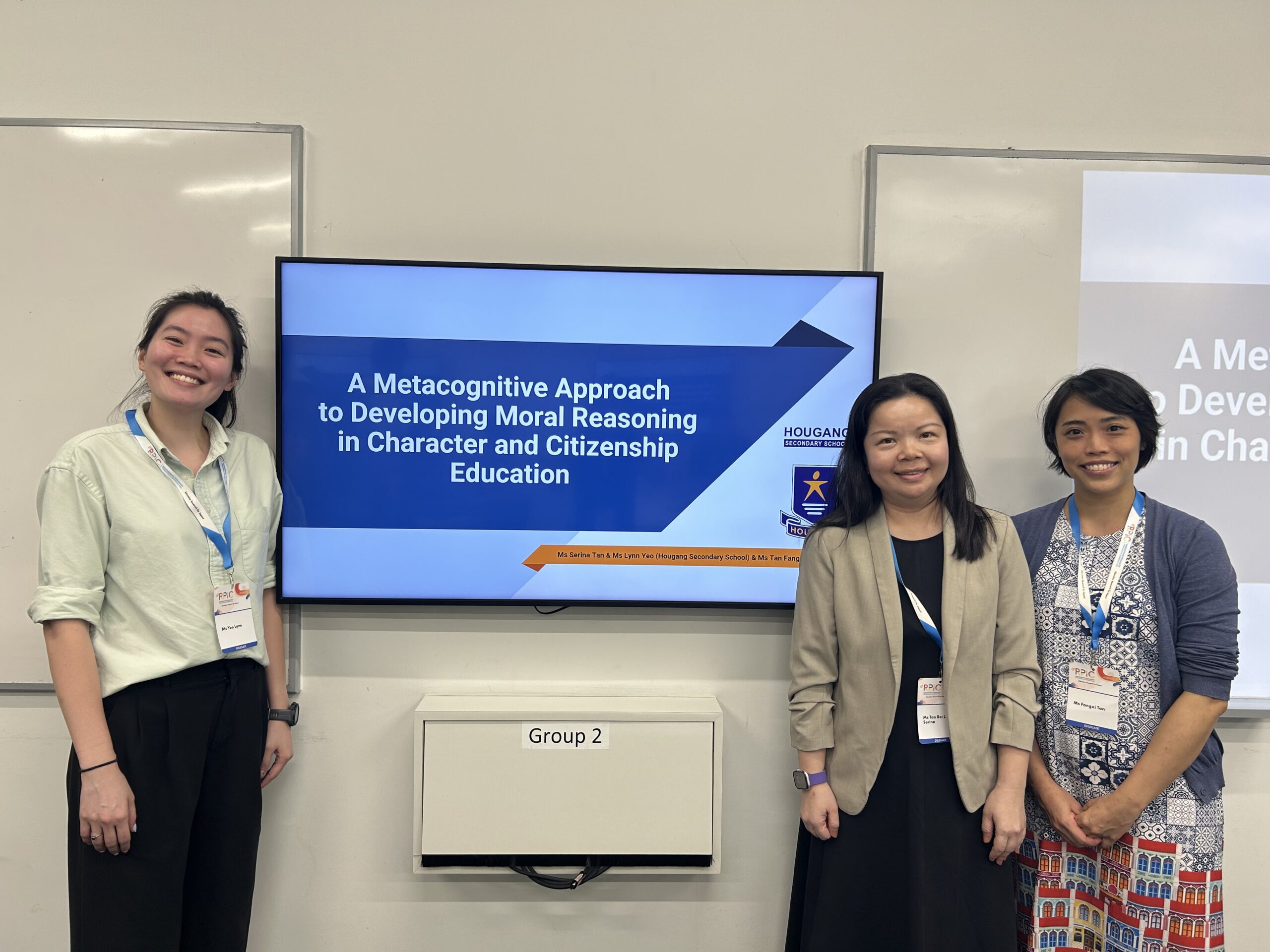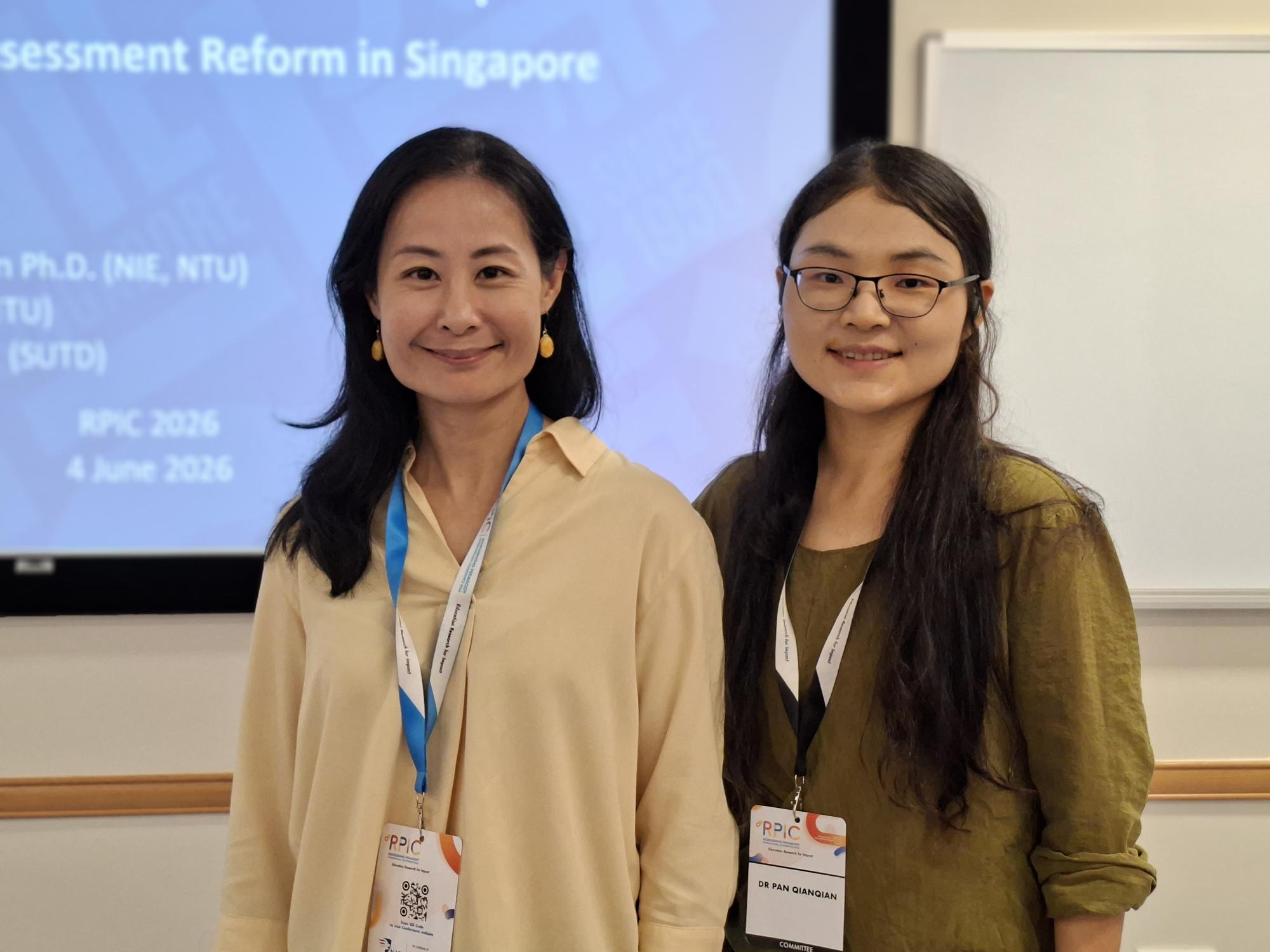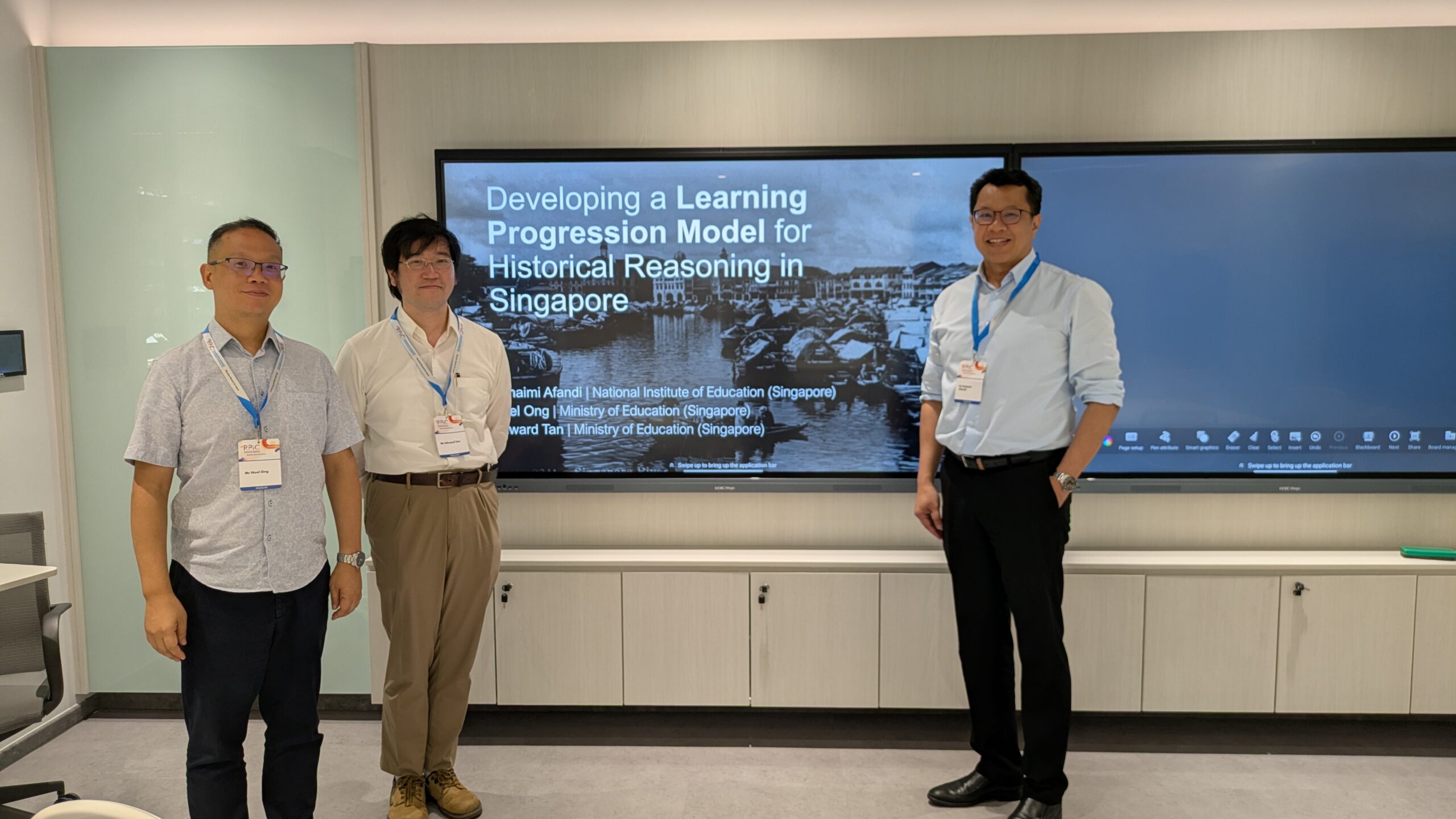
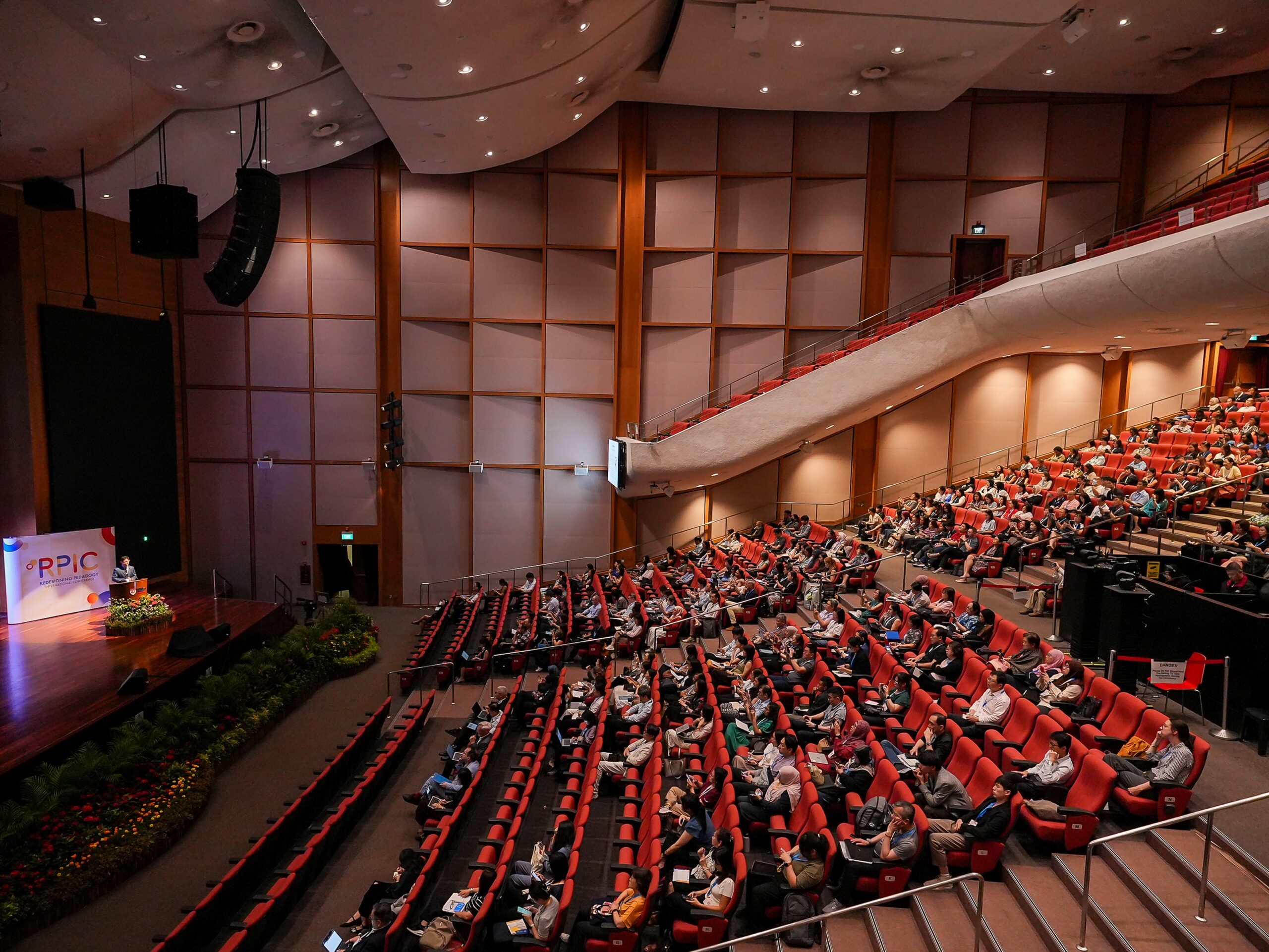
The Conversations Continue: From Research to Impact
What does it mean for education research to make a real difference in schools? That question sat […]
Read More
Secondary school


 How findings from Thrive can help your students
Key Insights
 Introduction to Thrive: An Arts-Based Intervention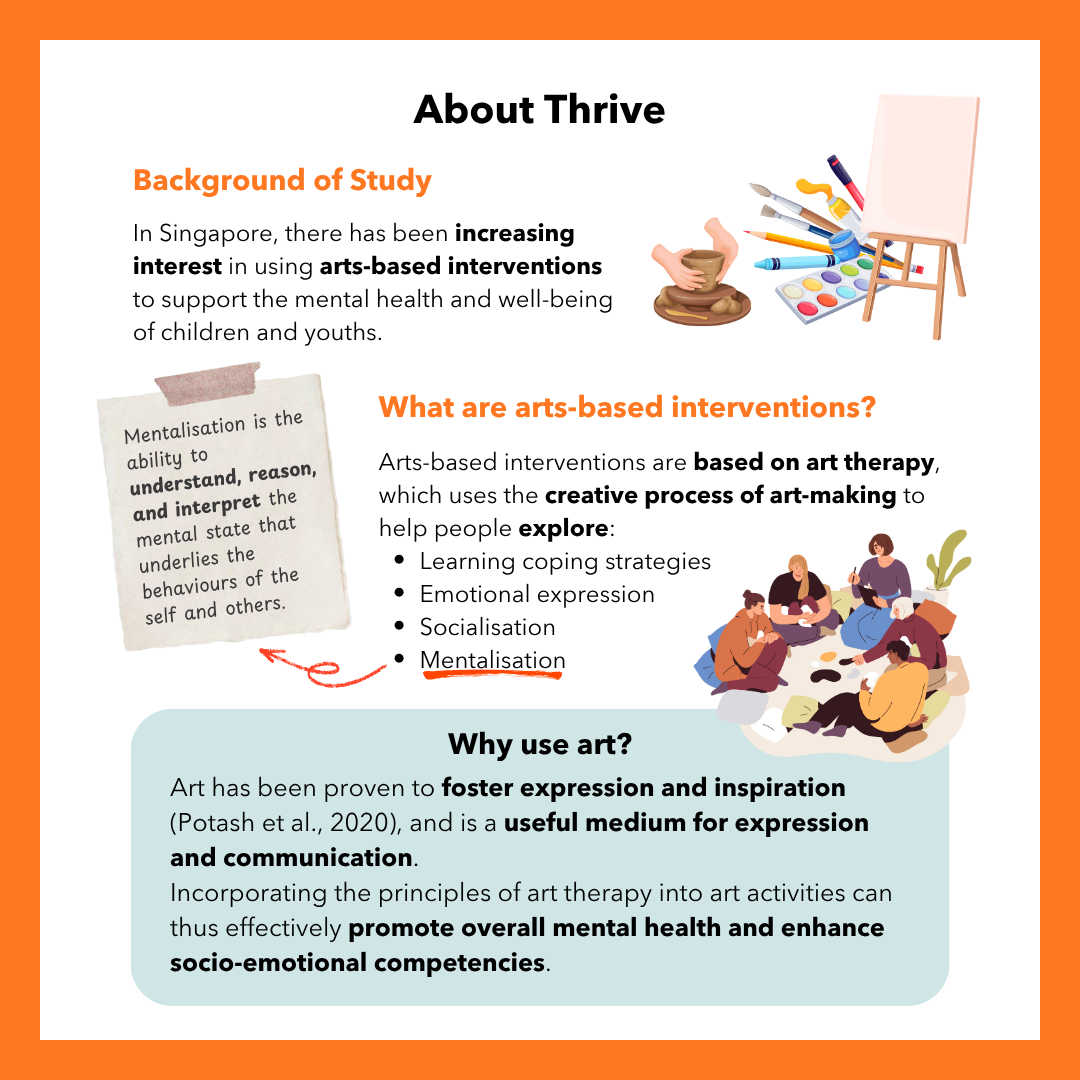
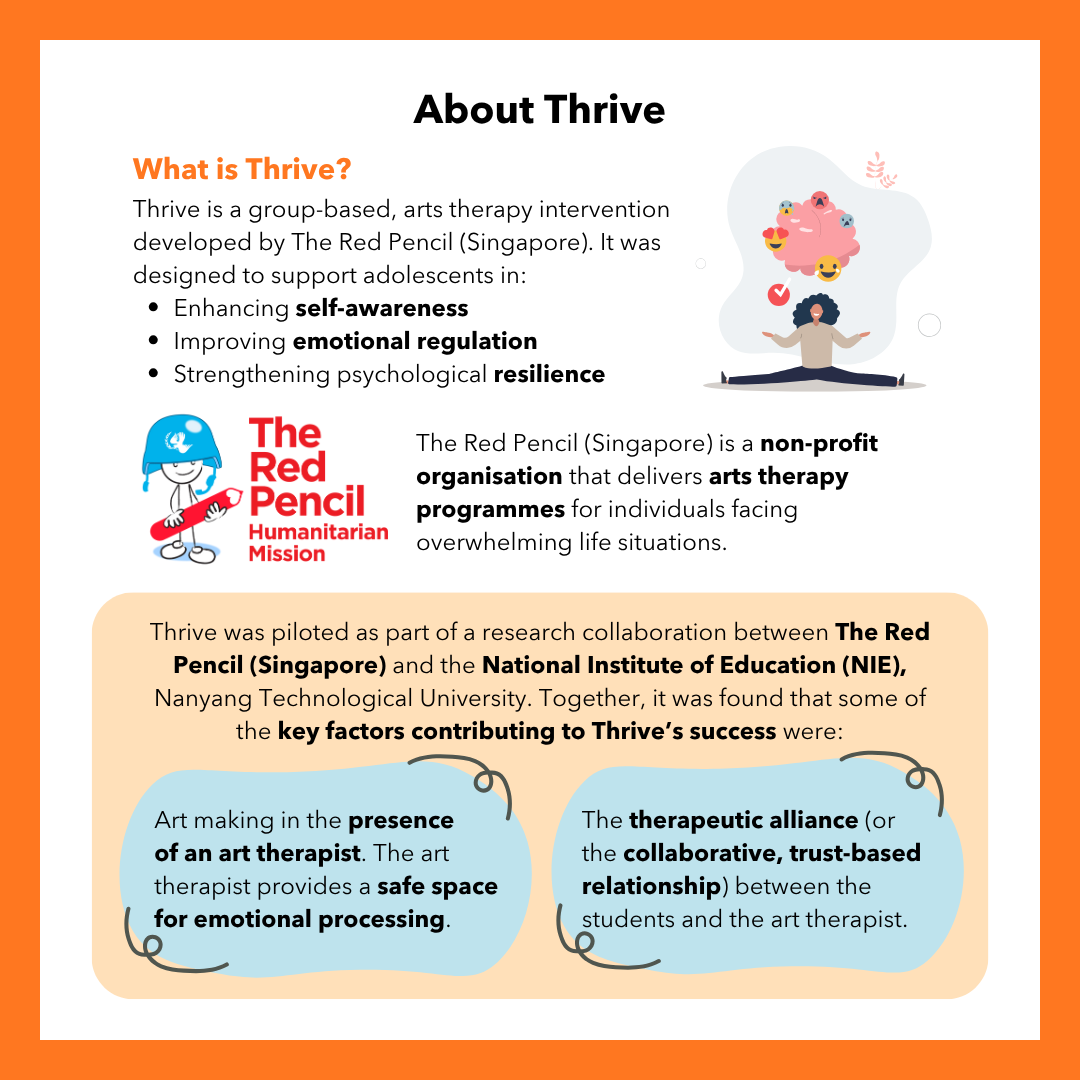
 Research Methodology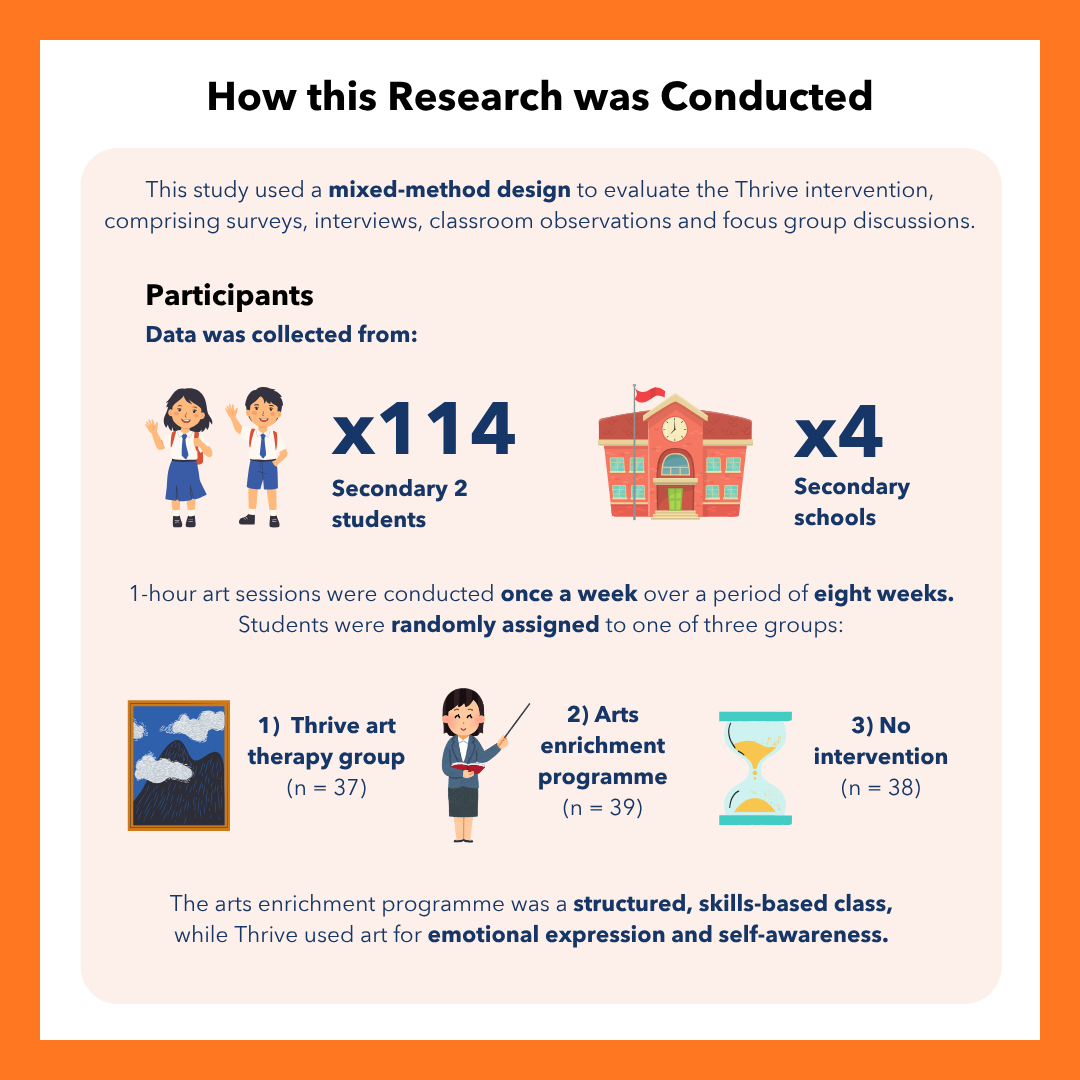
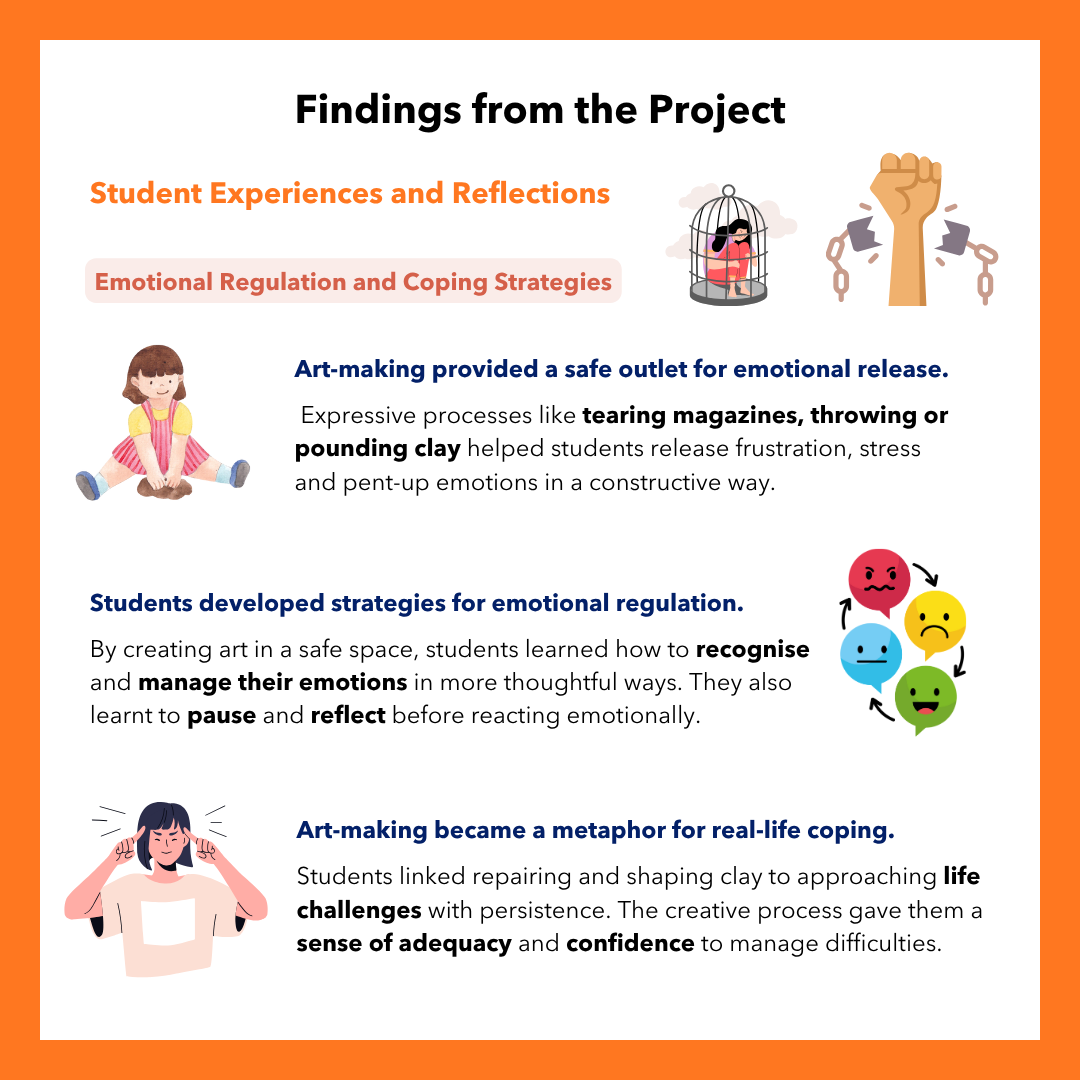
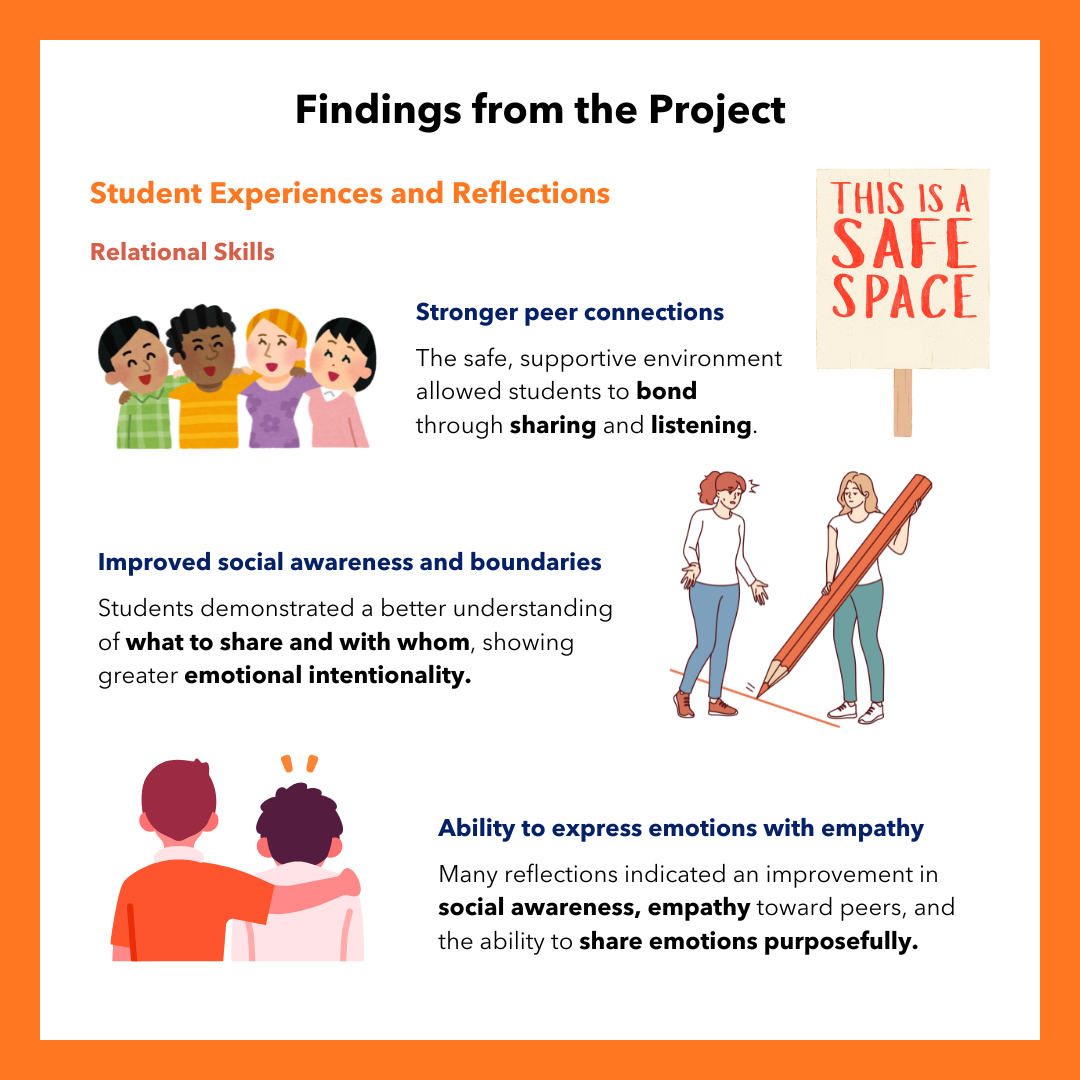
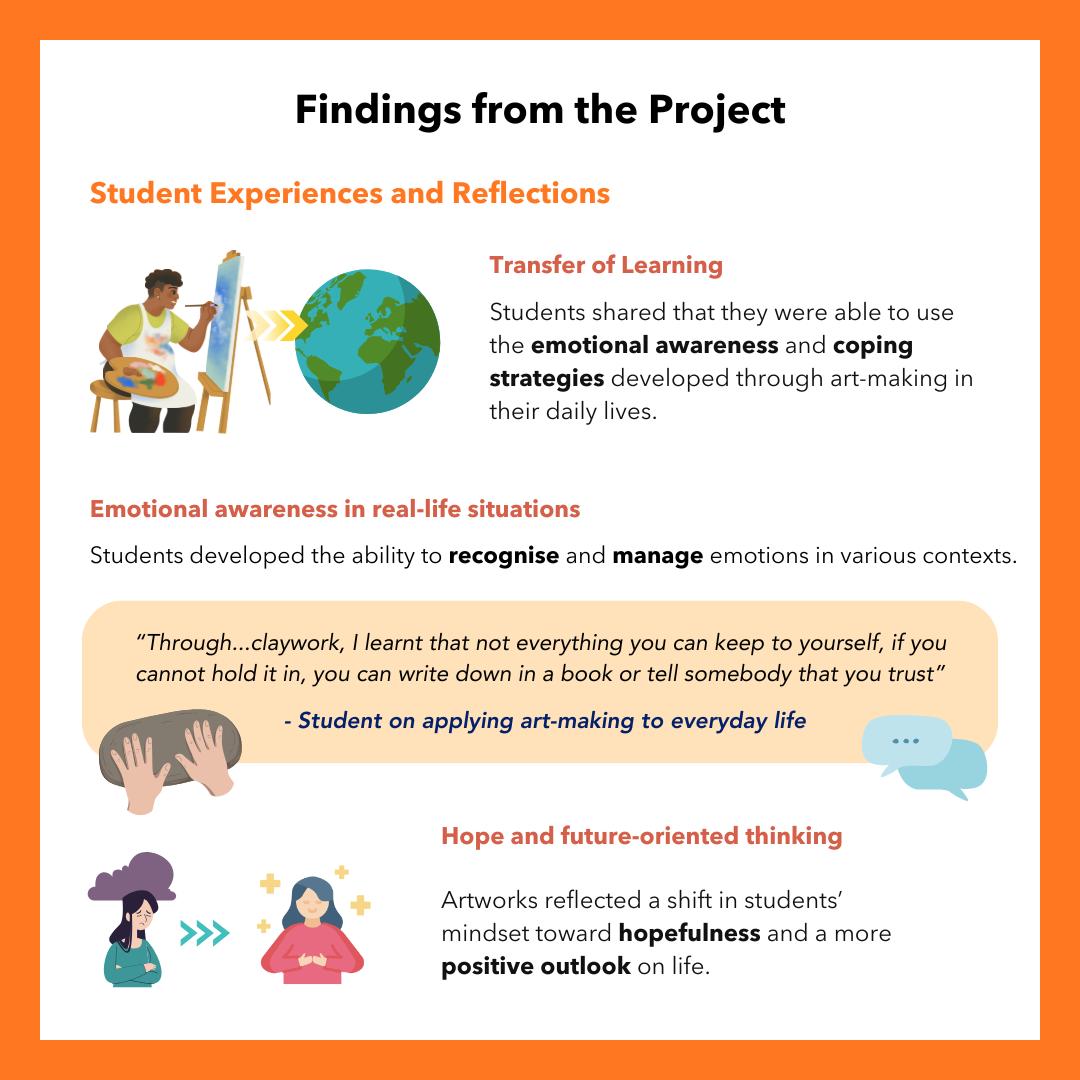
Research Findings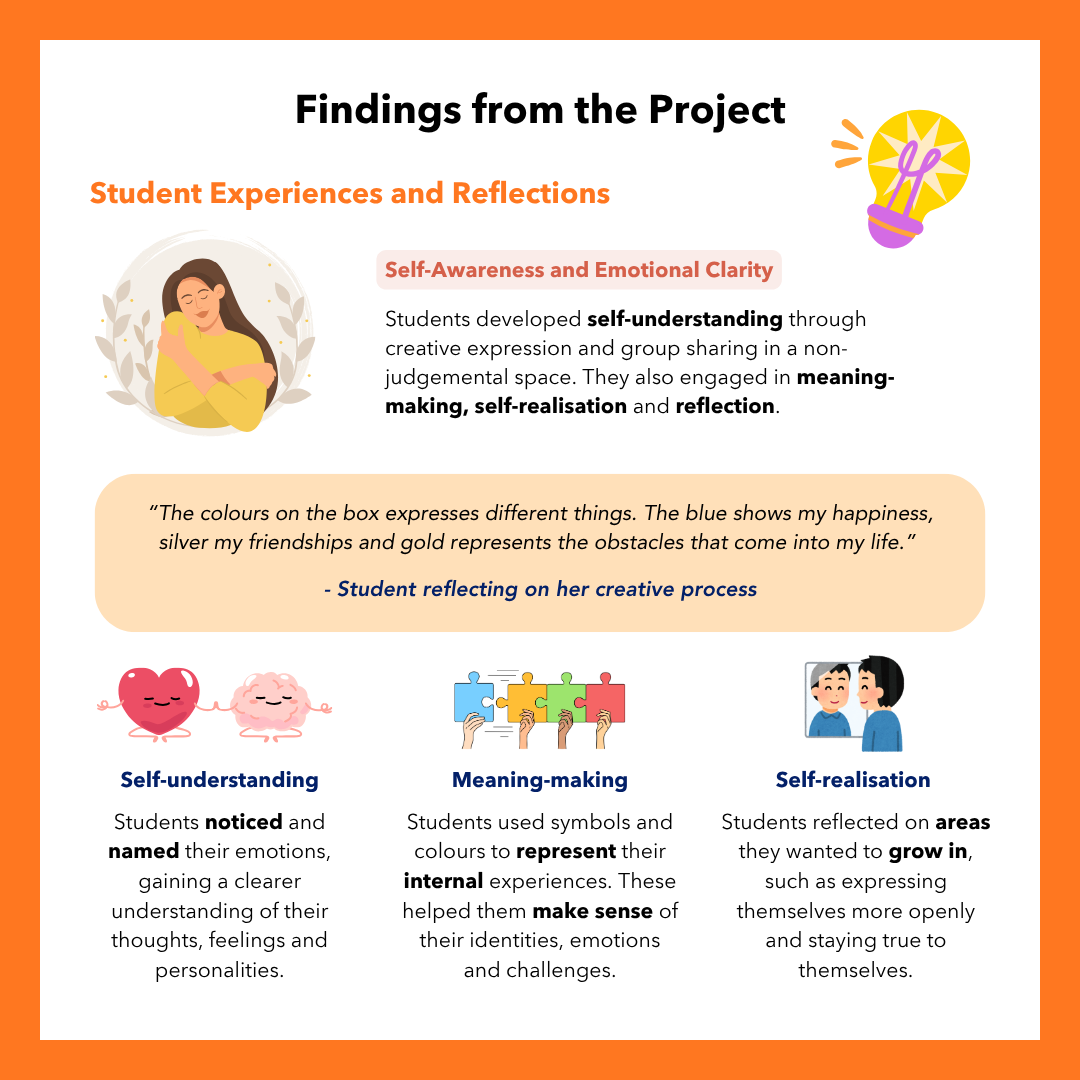
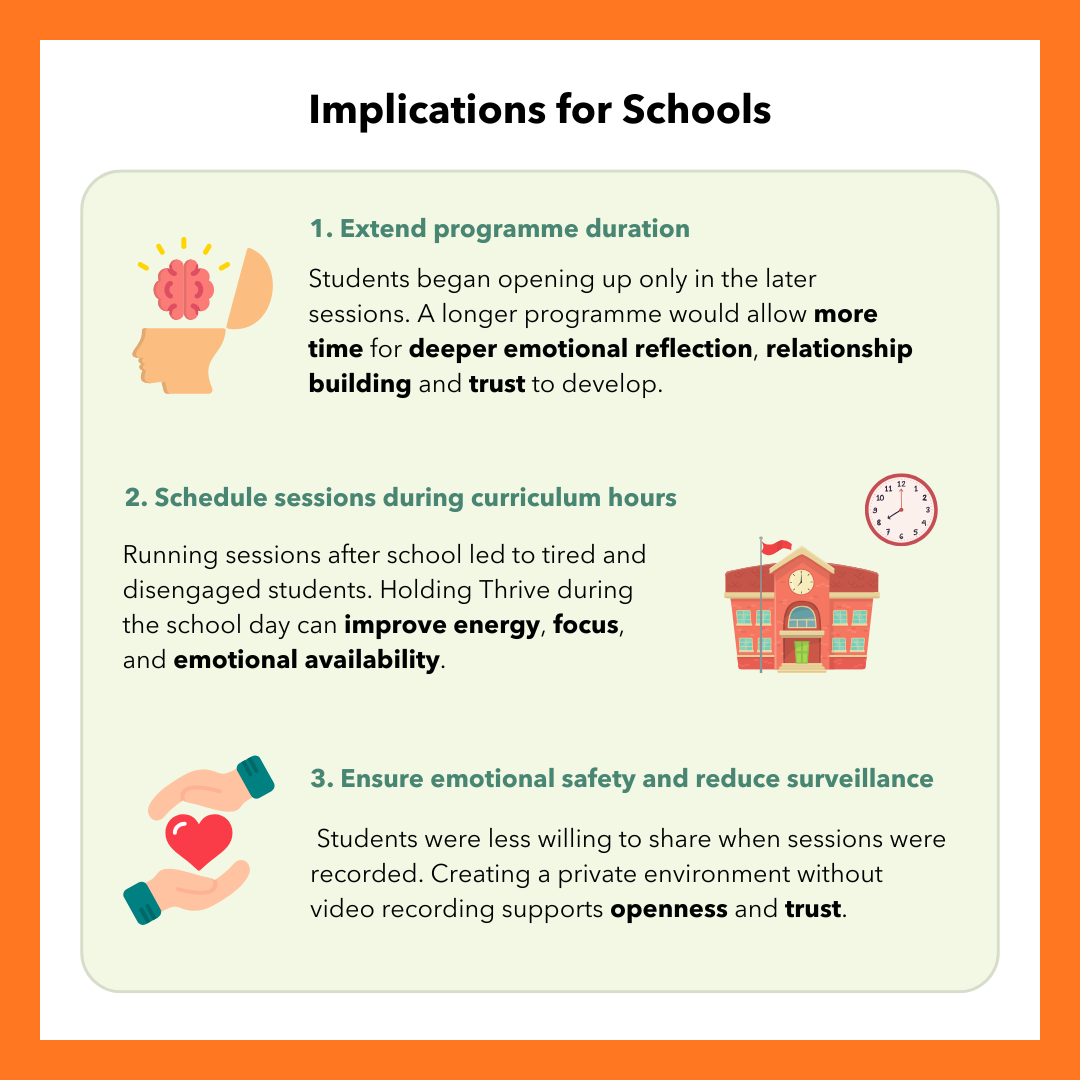
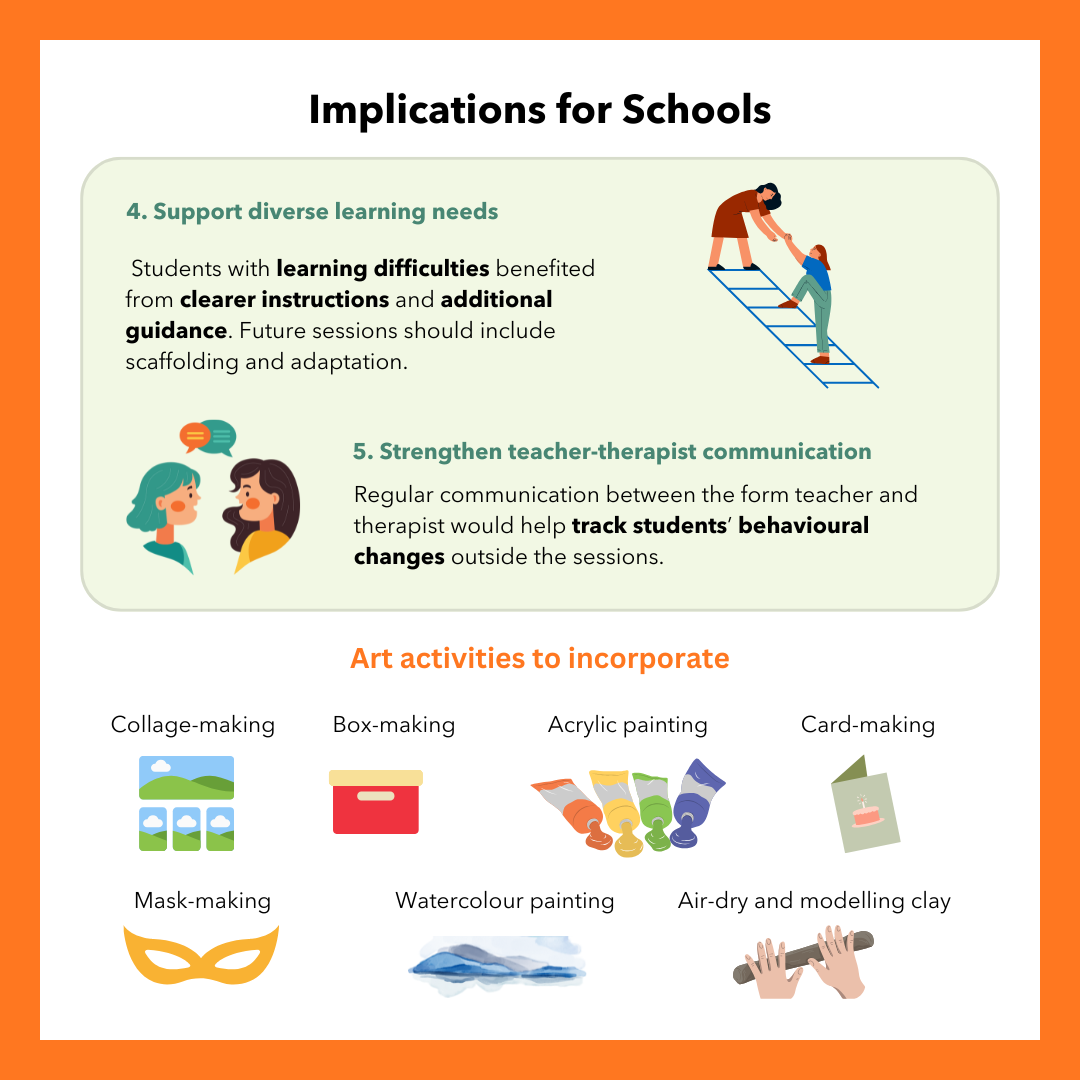
 What Does This Mean for Teaching and Learning?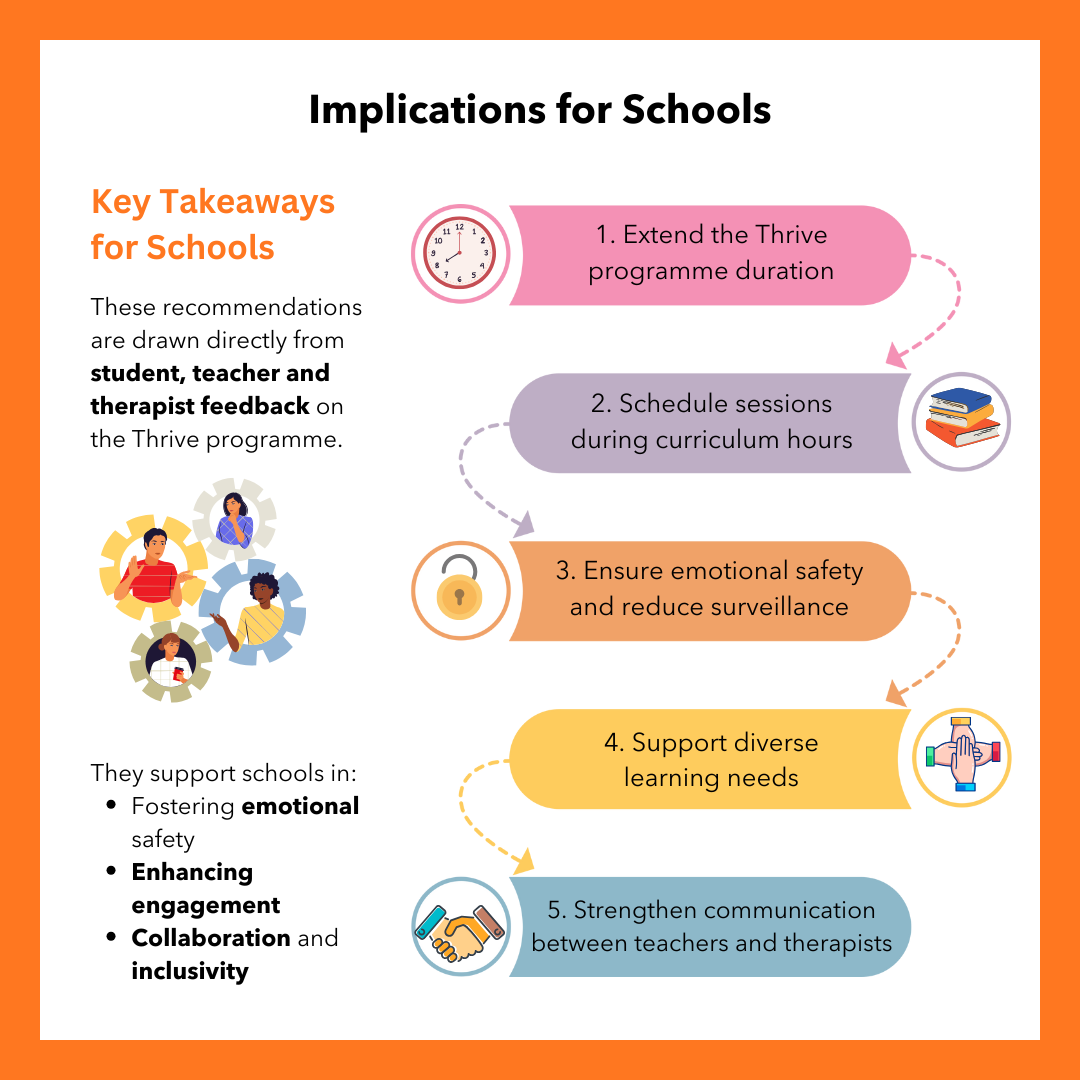
 Related LinksResearch Team
To learn more about this research, please contact Dr Pamela Grace Costes Onishi at pamela.onishi@nie.edu.sg.
Principal Investigator
Co-Principal Investigator
 Acknowledgement
This study was supported under Cultural Matching Fund. It was co-administered by The Red Pencil (Singapore) and the National Institute of Education (NIE), Nanyang Technological University, Singapore. Any opinions, findings, and conclusions or recommendations expressed in this material are those of the author(s) and do not necessarily reflect the views of The Red Pencil (Singapore) and NIE. Consent from participants of this research were obtained based on ethics approval by Nanyang Technological University IRB ref: IRB-2022-1083.
This knowledge resource was extracted and reconstructed from the published materials from the research team by Ms Radiah Belak and Ms Shee Yi Xuan, Katherine, with input from Dr Pamela Grace Costes Onishi and Ms Lorraine Ow and presented on 15 October 2025.