With young children using screens earlier and more often, how can teachers and schools help young children form healthy screen habits? Uncover what the research has found.
 How findings from the IISSAAR study can help your students
Key Insights
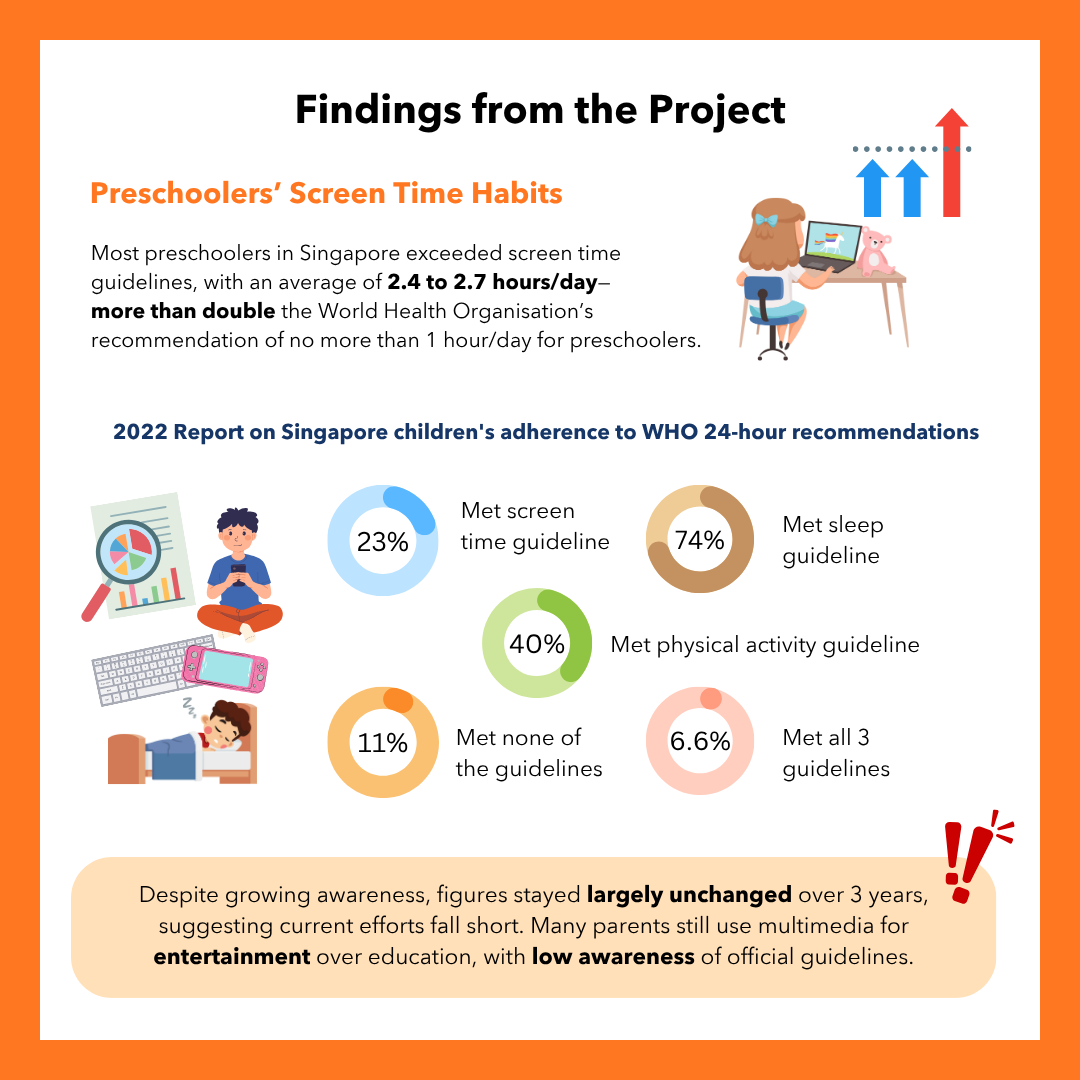
- Most preschoolers in Singapore exceeded the screen time guideline of 1 hour per day, with little improvement over three years.
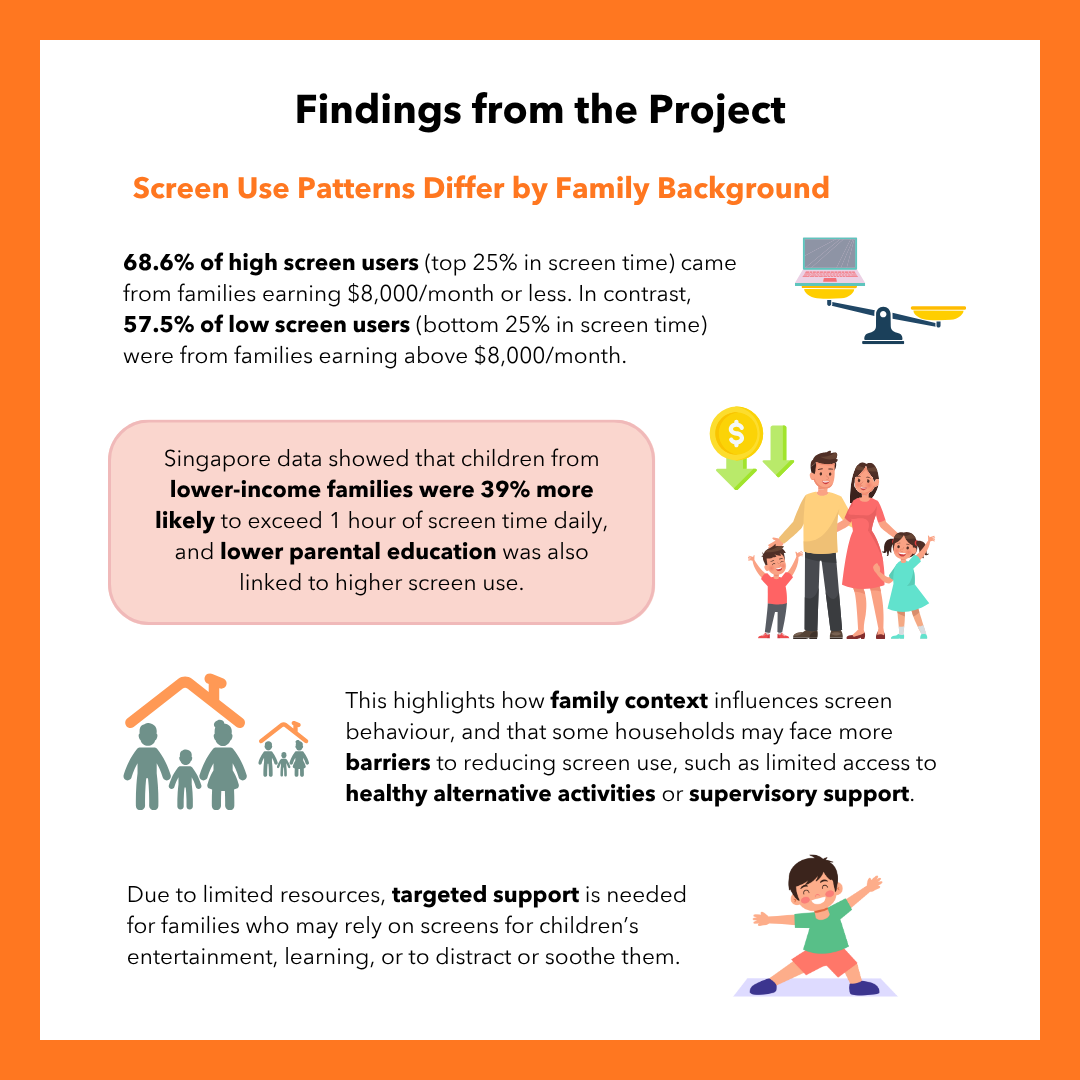
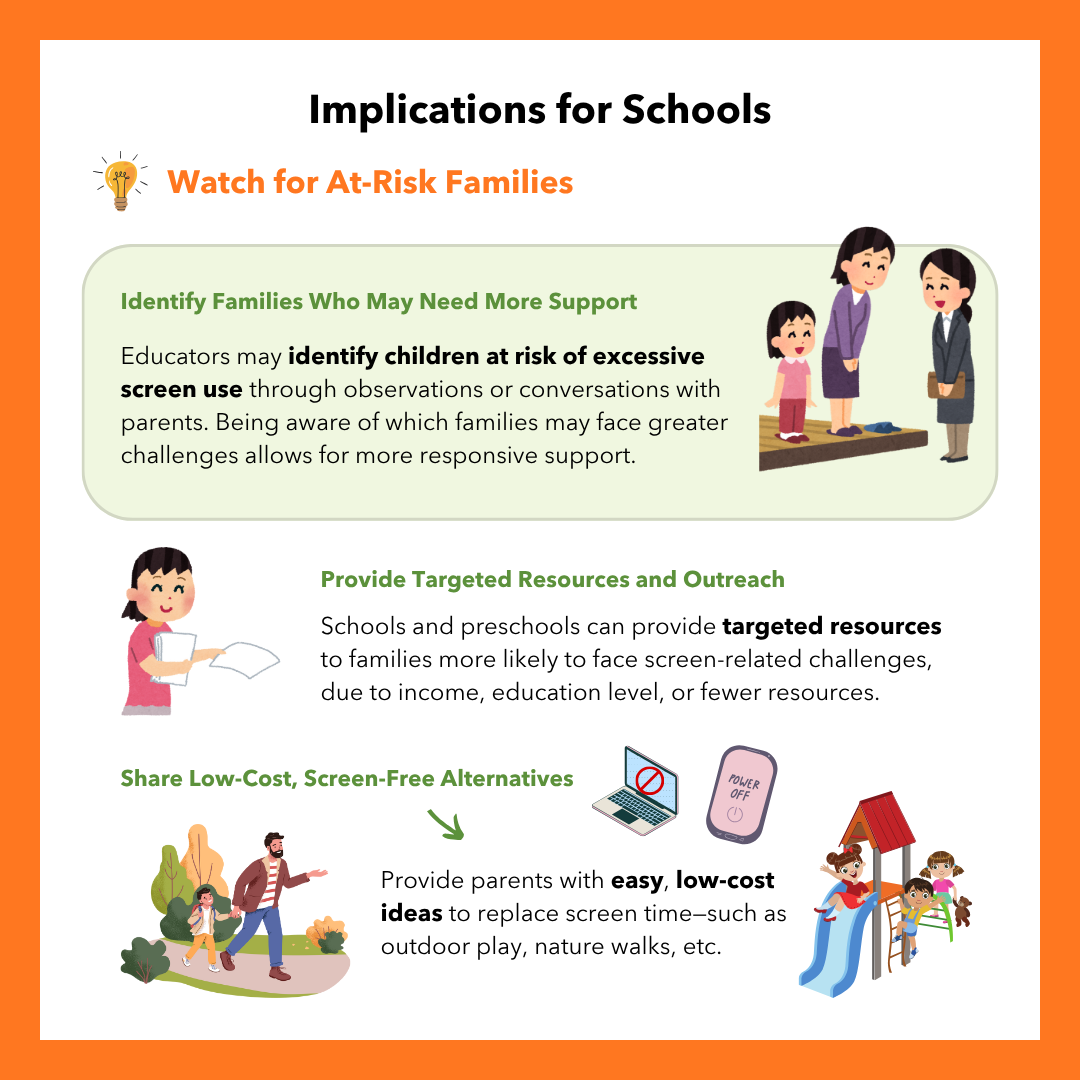
- Children from lower-income and less-educated households were more likely to have high screen use and face related challenges.
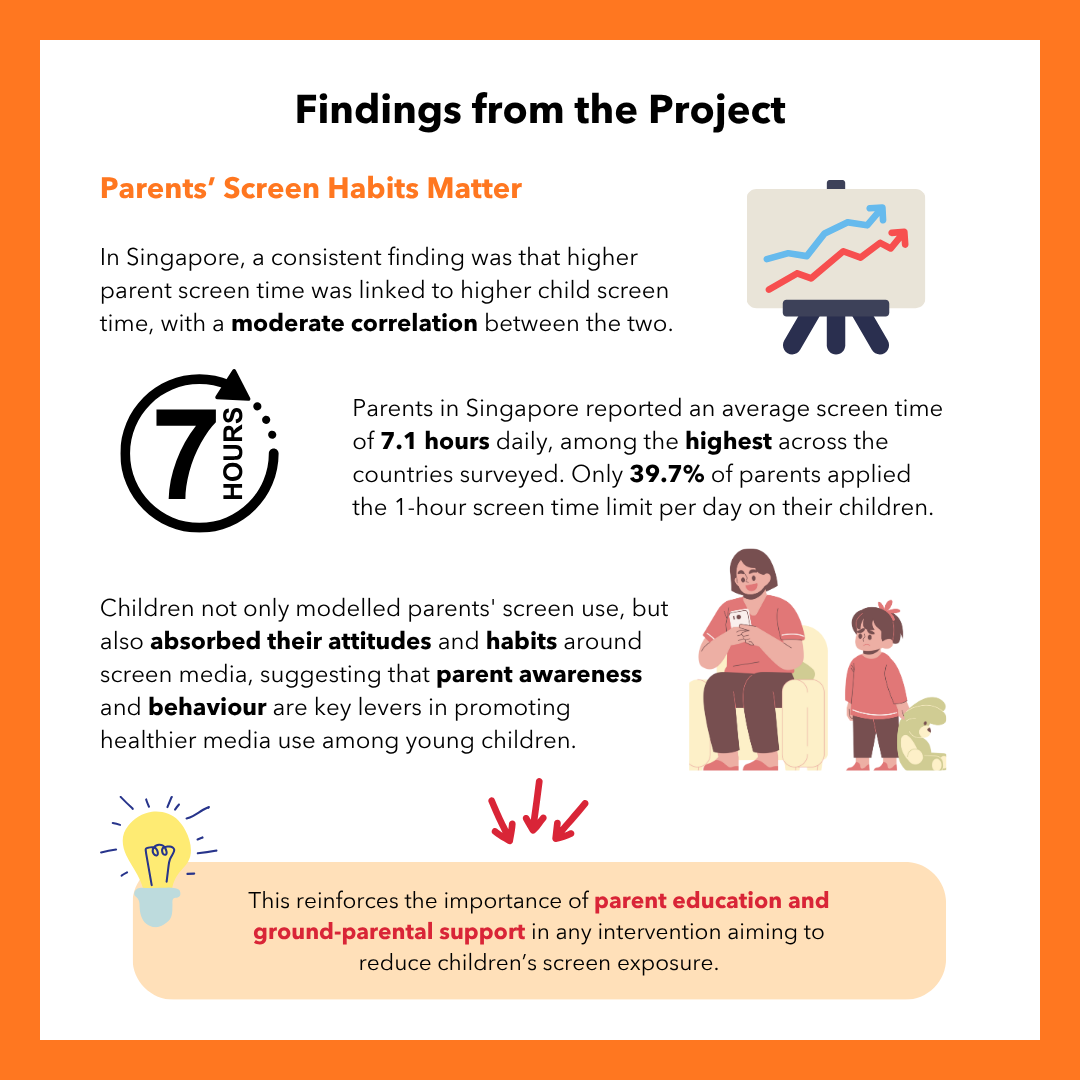
- Children’s screen use was closely linked to their parents’.
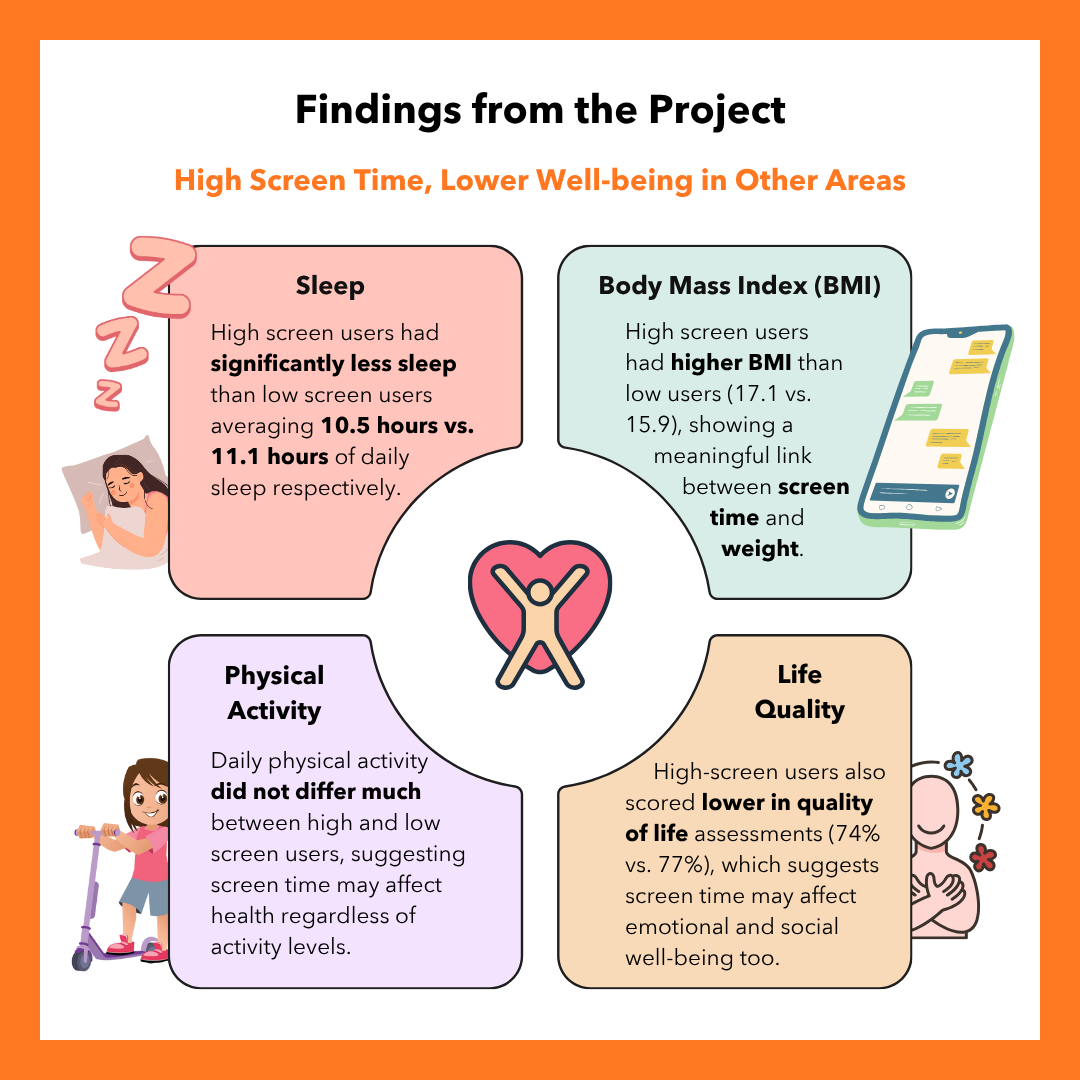
- Higher screen time was linked to lower quality of life, less sleep, and higher BMI.
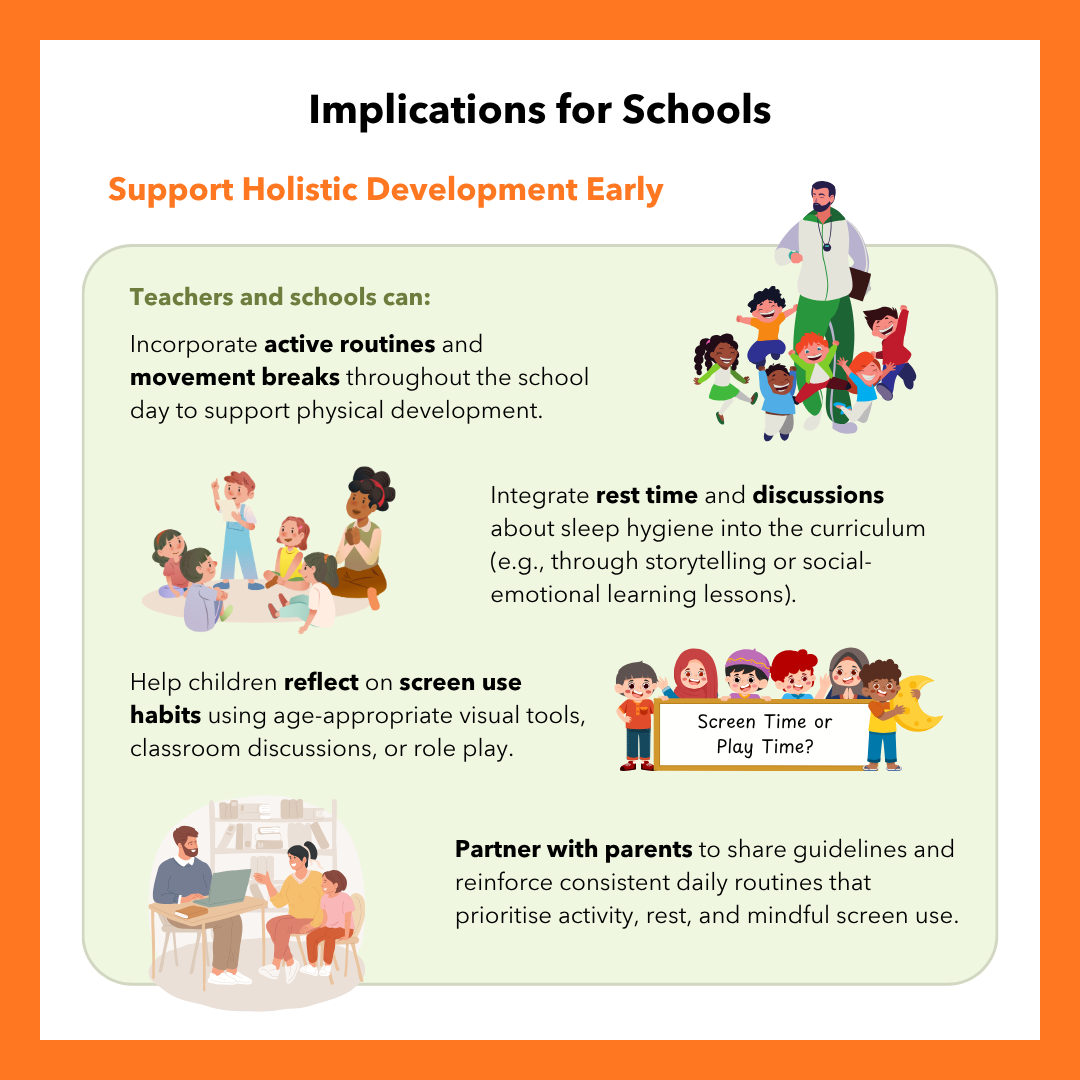
- To support healthier screen habits, schools can:
- Share practical screen use guidelines with parents.
- Provide targeted resources to families with fewer supports at home.
- Encourage a balanced daily routine of sleep, play, and limited screen time.
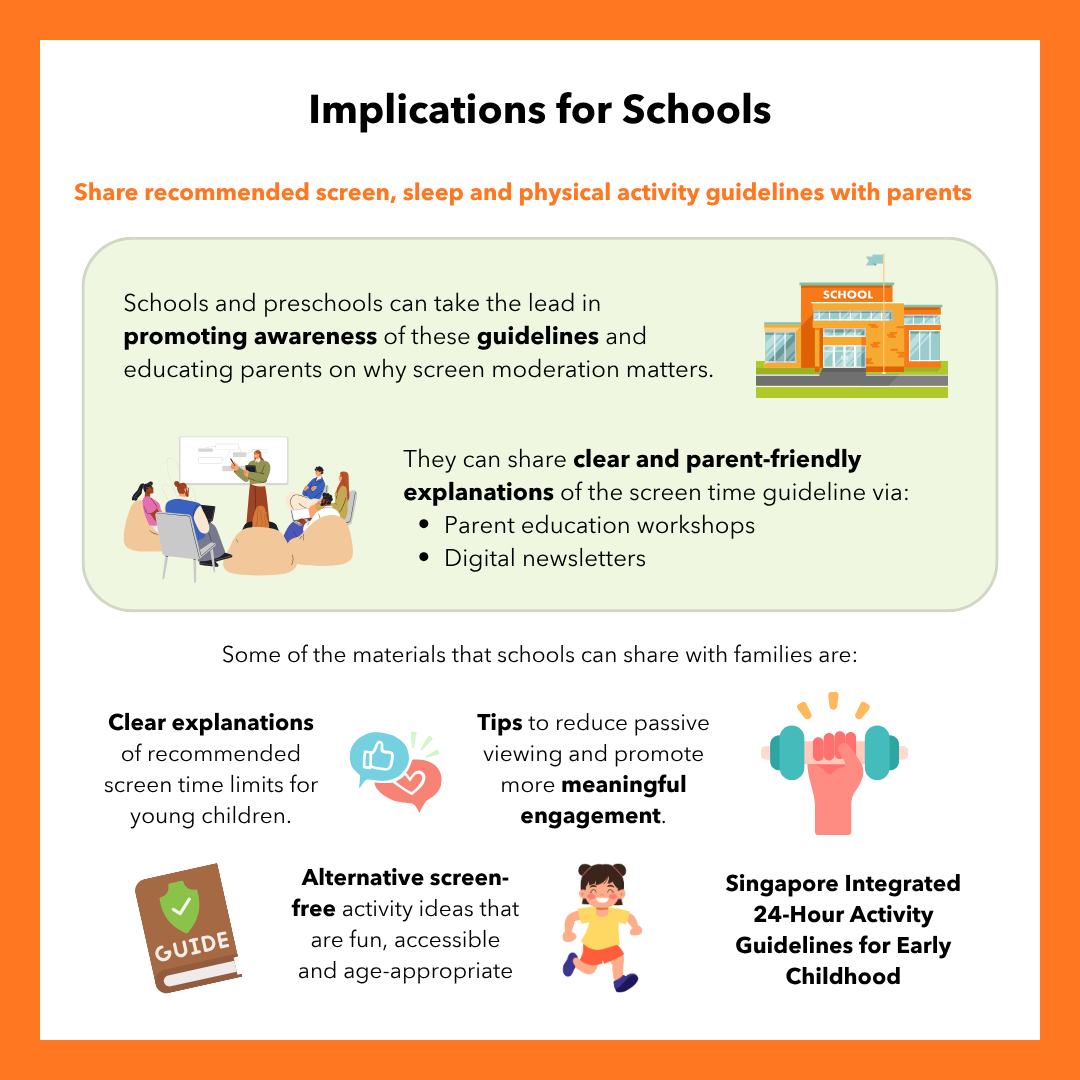
 Introduction to International Ipreschooler Surveillance Study Among Asians and otheRs (IISSAAR)
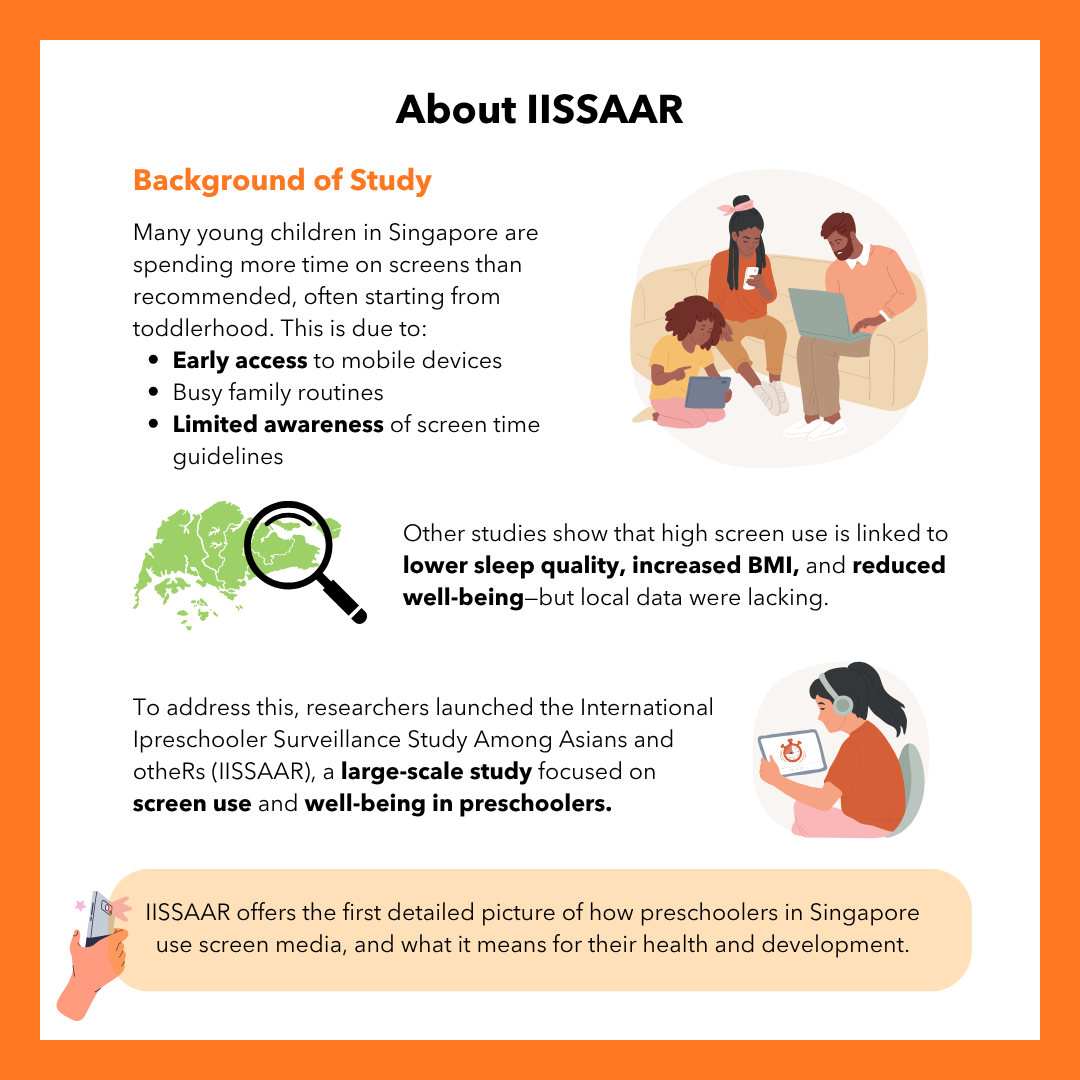
 Research Methodology
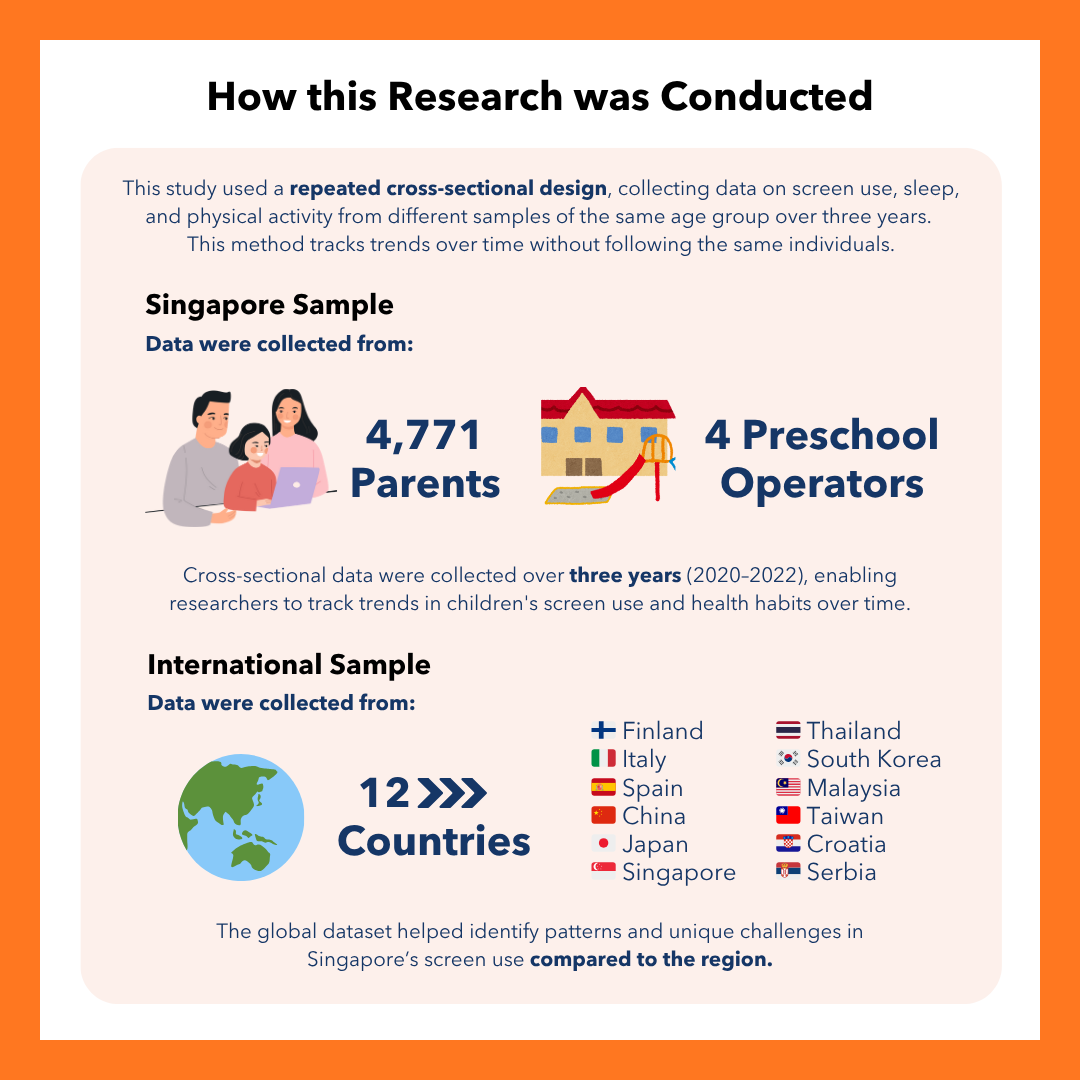
 What Does This Mean for Teaching and Learning?
 Related Links
Further Readings
For educators interested in the research behind IISSAAR, you may refer to:
Research Project
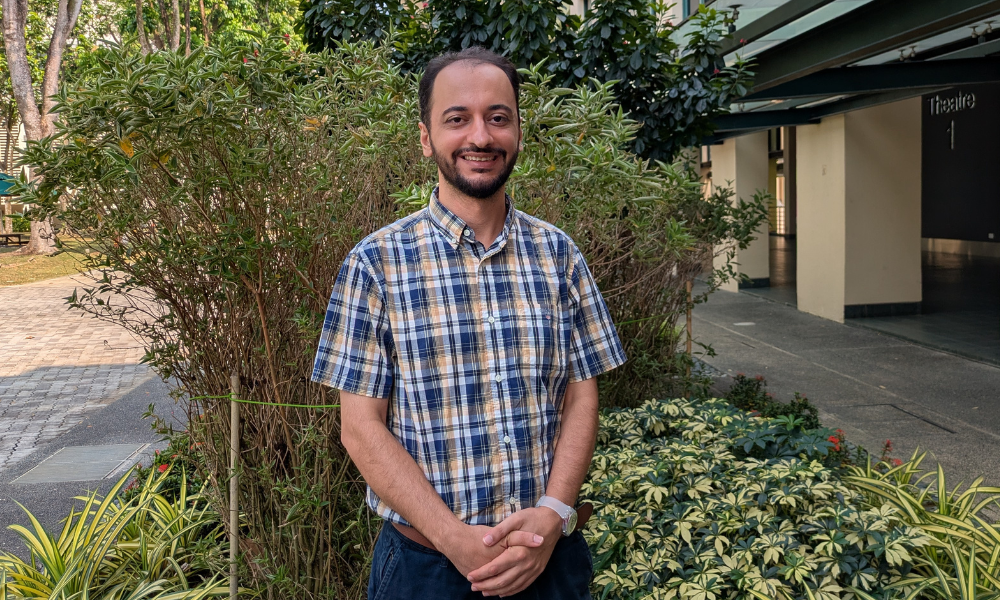
Research Team
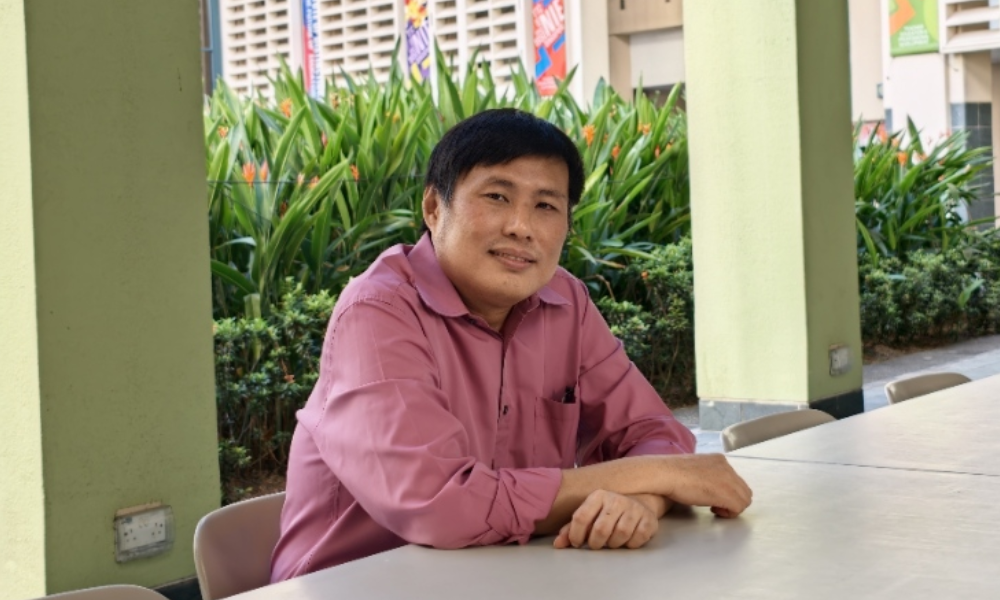
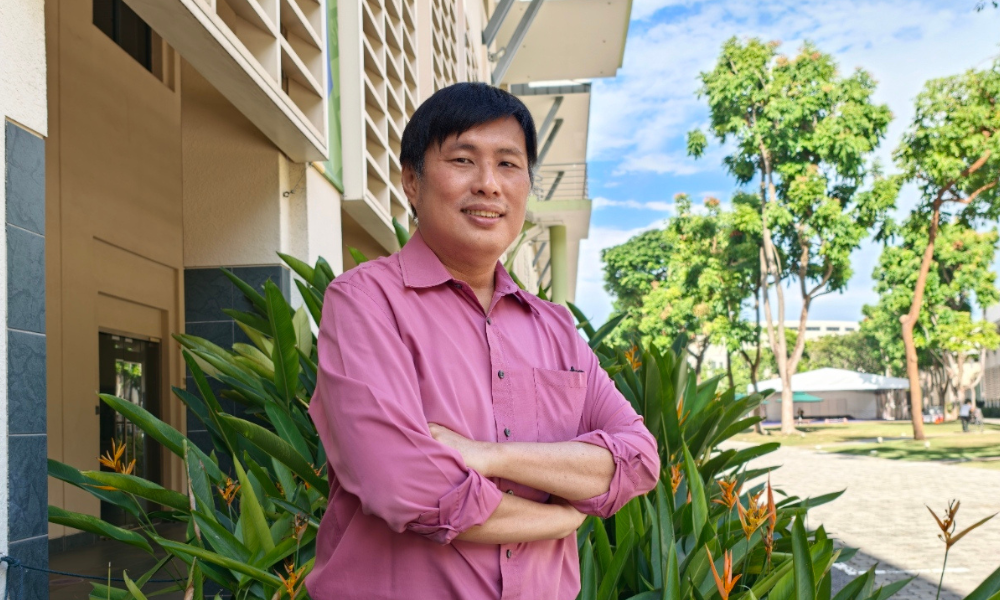
Principal Investigator
 Acknowledgement
- This study was funded by the Education Research Funding Programme, National Institute of Education, Nanyang Technological University, Singapore (project no. OER 29/19 MCYH). Any opinions, findings, and conclusions or recommendations expressed in this material are those of the author(s) and do not necessarily reflect the views of the Singapore MOE and NIE.
This knowledge resource was extracted and reconstructed from the published materials from the research team by Ms Shee Yi Xuan, Katherine and Ms Radiah Belak with input from Professor Michael Chia and Ms Lorraine Ow and presented on 31 May 2025.