The Conversations Continue: From Research to Impact
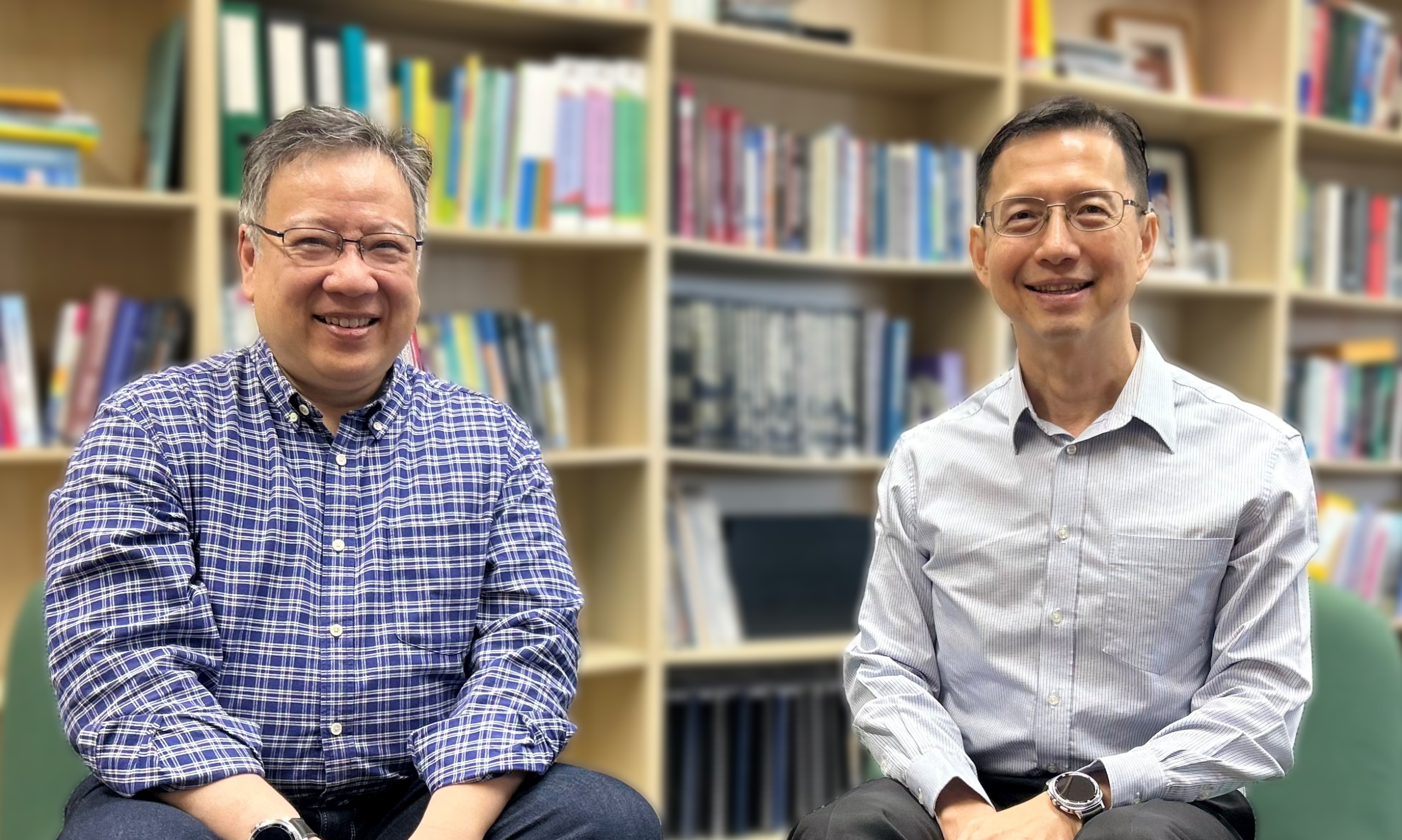
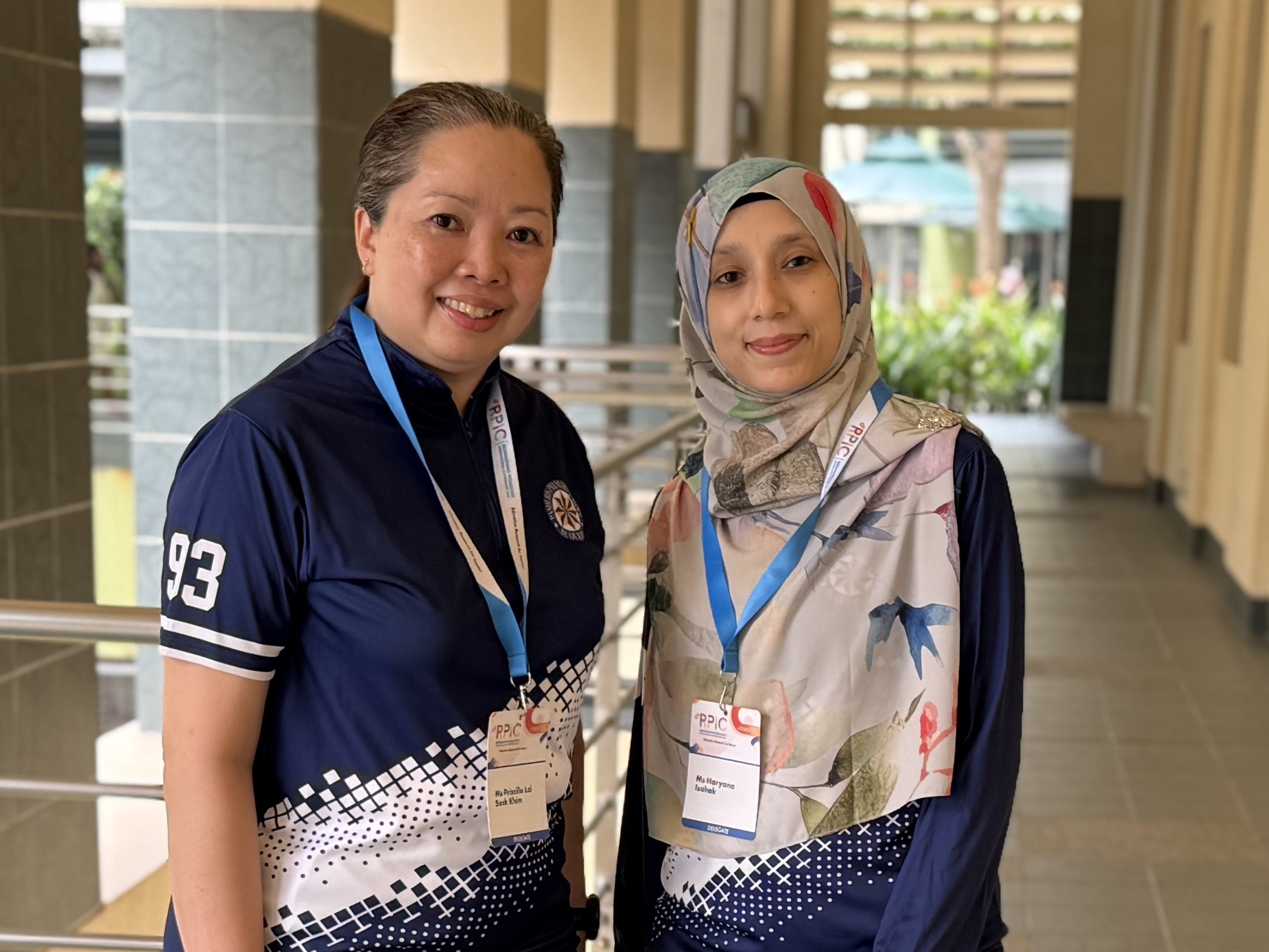
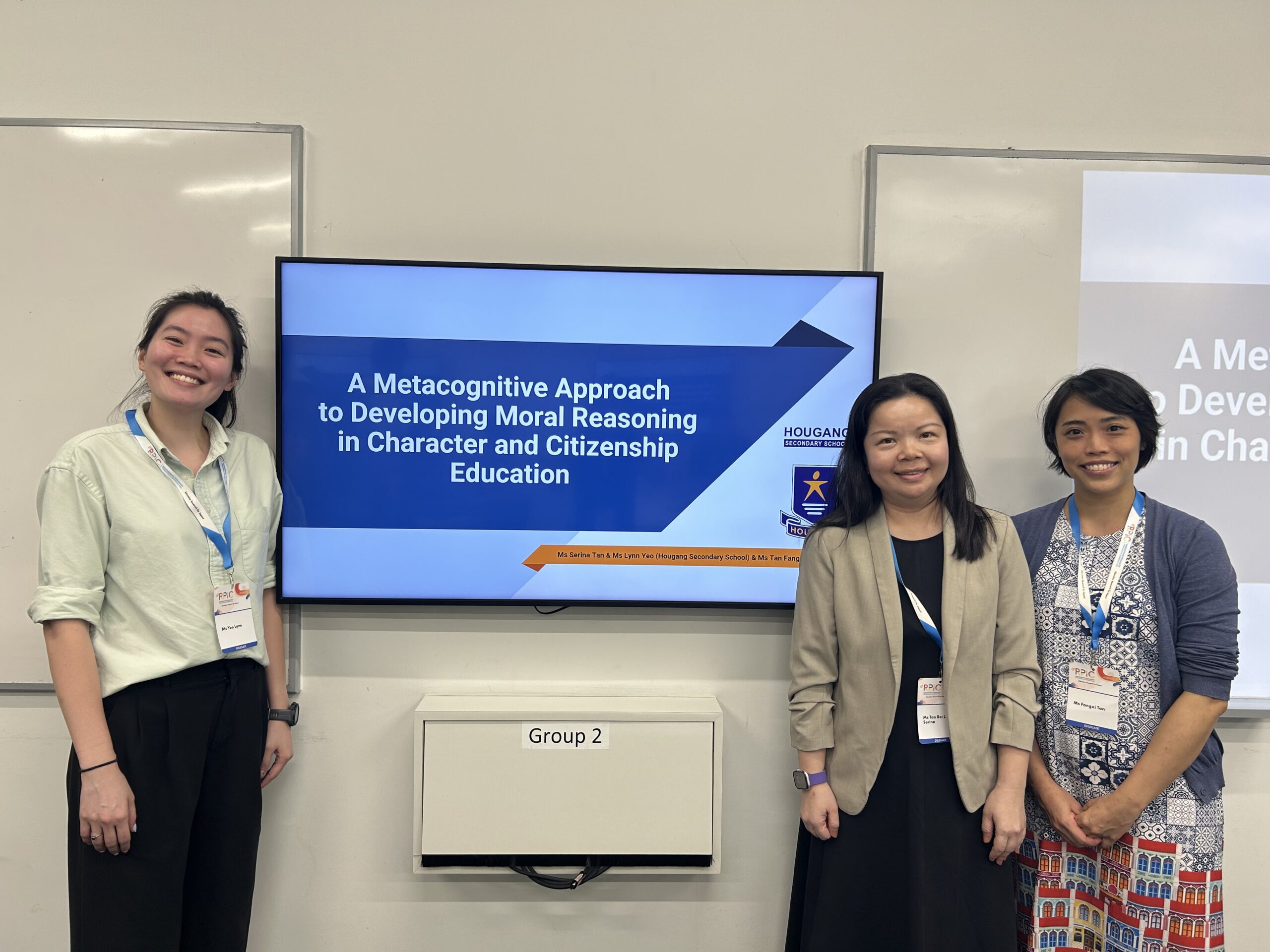
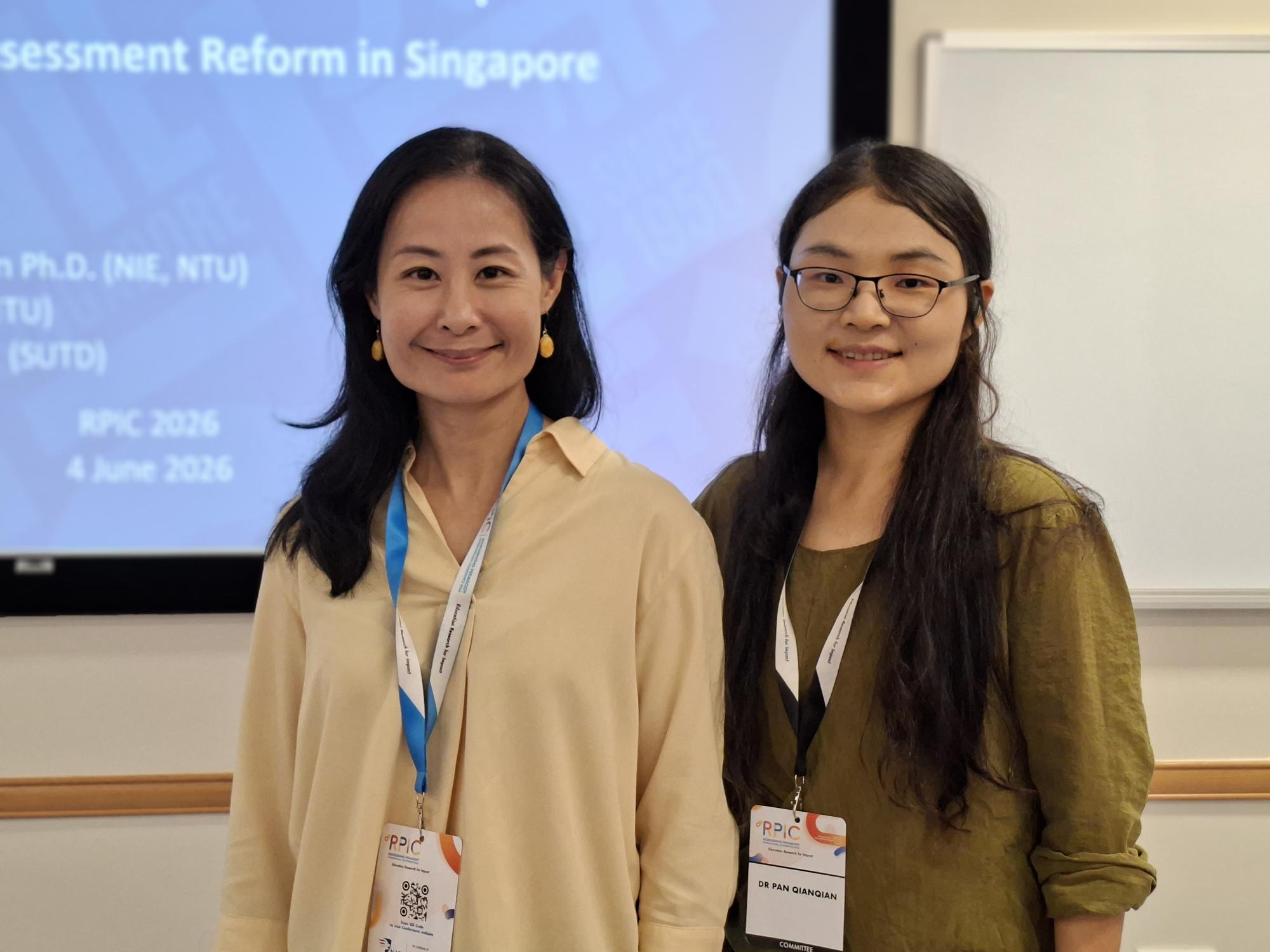
What does it mean for education research to make a real difference in schools? That question sat […]
Read More

 How Can Productive Failure Help Your Students?
Regardless of ability level, students will develop critical knowledge and skills, learn to persist amidst challenges, and hone their collaboration skills.
 Why Productive Failure?
Productive Failure allows students to generate and explore their own solutions to new and complex math problems before actually being taught the “correct” solution. They may not get the “right” answer at first, but this floundering can pave the way for deeper learning.
Through a JC Mathematics package that covers key topics in Statistics, the Productive Failure research project provides a professional development program that engages teachers in designing, unpacking and building learning and problem solving skills in JC students.
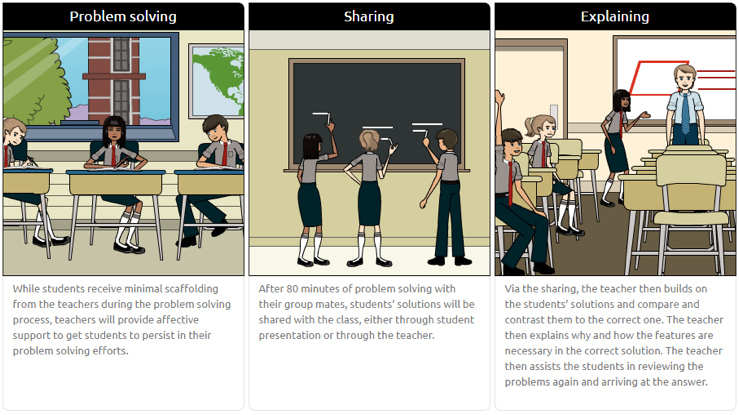
 How Does Productive Failure Work?
Organising these explanations into a framework to understand the concept
 How Did Students Respond?
The more solutions students could come up with, the more they will benefit through learning using this teaching method.
 How Can Teachers Get Started?
The teacher then assists the students in reviewing the problems again and arriving at the answer.
Remember!
 Related Links
 Research Projects
The following projects are associated with Productive Failure Research:
Research Team
To learn more about Productive Failure, please contact the Principal Investigator A/P Lee Ngan Hoe at nganhoe.lee@nie.edu.sg.
Principal Investigator
A/P Lee Ngan Hoe, Mathematics and Mathematics Education, NIE
Co-Principal Investigators
A/P Katerine Bielaczyc, Clark University, USA (formerly of NIE)
Collaborators
 Acknowledgments
This research on Productive Failure was funded by Singapore Ministry of Education (MOE) under the Education Research Funding Programme (DEV 03/14 MK) and administered by National Institute of Education (NIE), Nanyang Technological University, Singapore. Any opinions, findings, and conclusions or recommendations expressed in this material are those of the author(s) and do not necessarily reflect the views of the Singapore MOE and NIE.
This knowledge resource was written by Bernadine W. Sengalrayan in June 2017, updated by Ms Monica Lim on 4 January 2022.