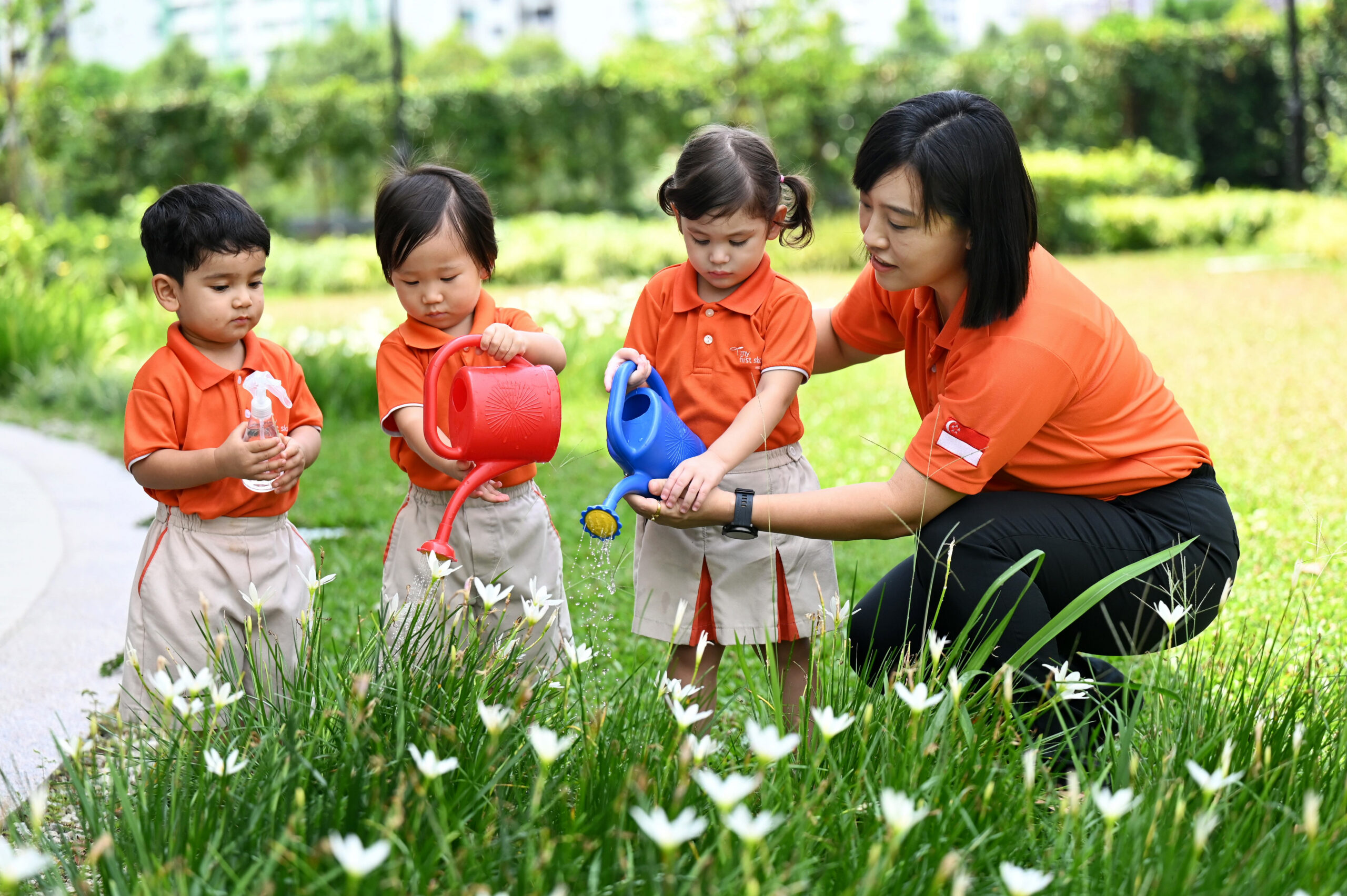
Young Children’s Voices in Mathematical Problem Solving
Contributed by Dr Ho Siew Yin and Sng Wei Qin Abbie, from NTUC First Campus, for SingTeach Virtual […]
Read More
Primary and Secondary school
English Language
English Literature
Computer Applications
Mathematics
Additional Mathematics
Visual Arts
Music
History
Physical Education
Geography
 Key Insights
 Introduction to CORE 3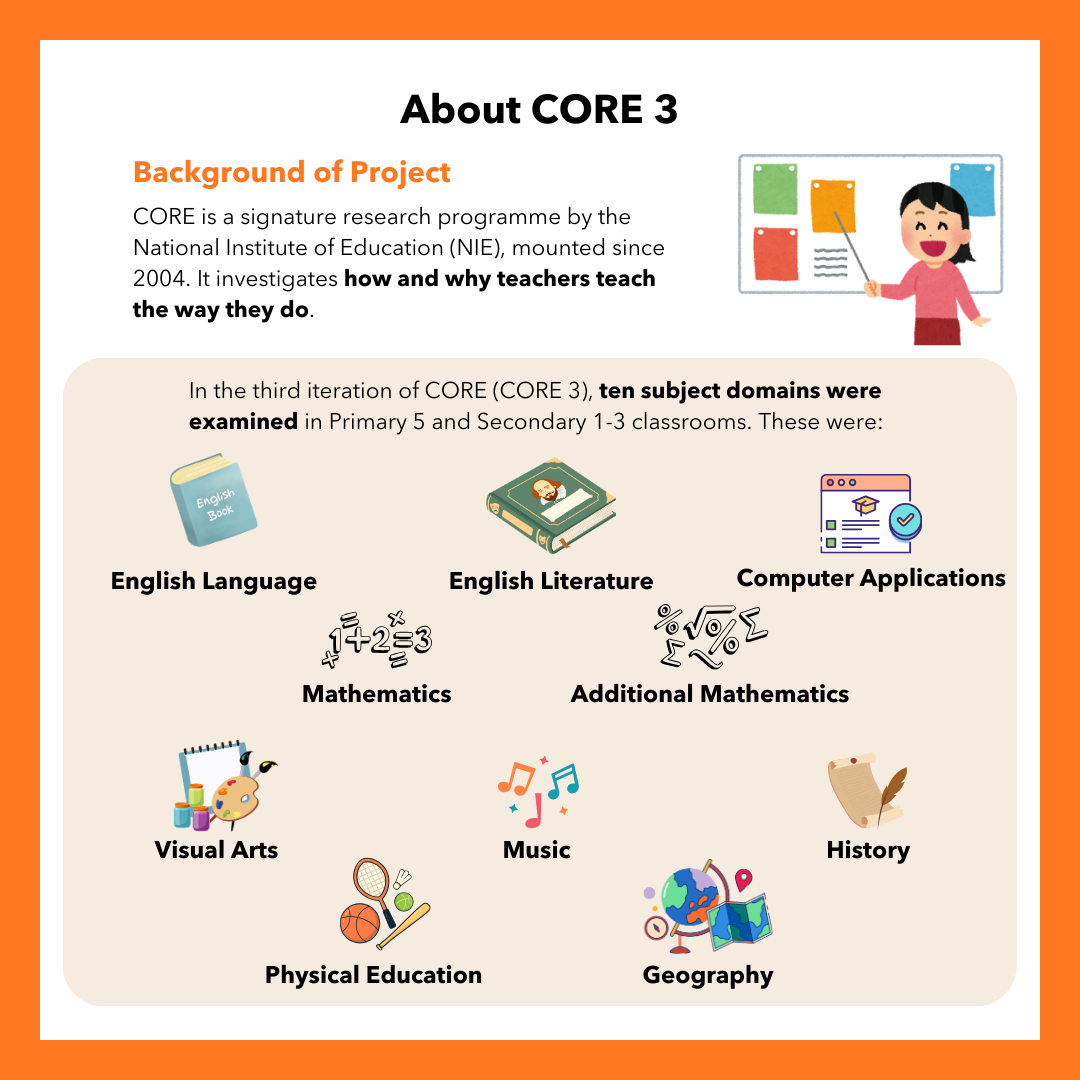
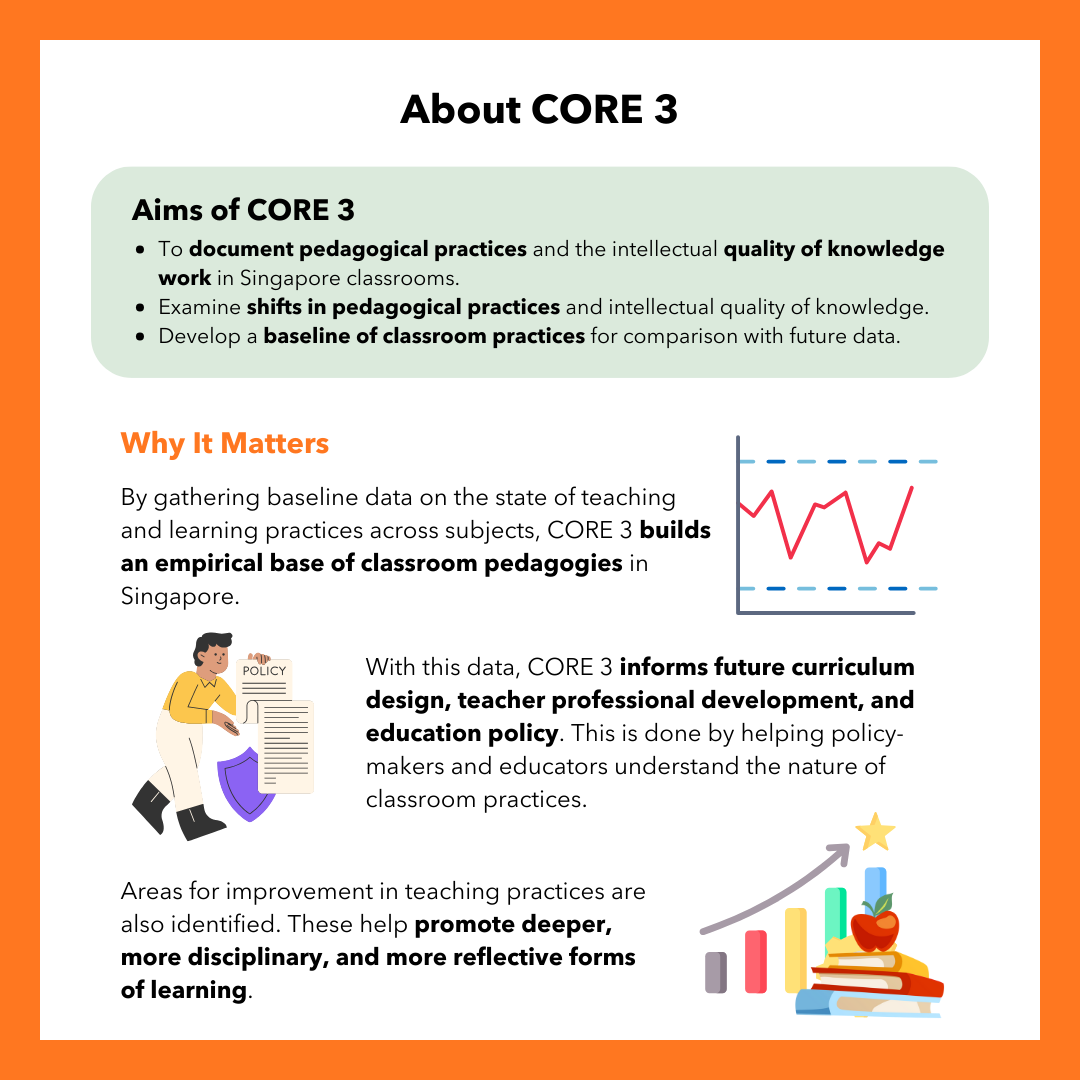
 Research Methodology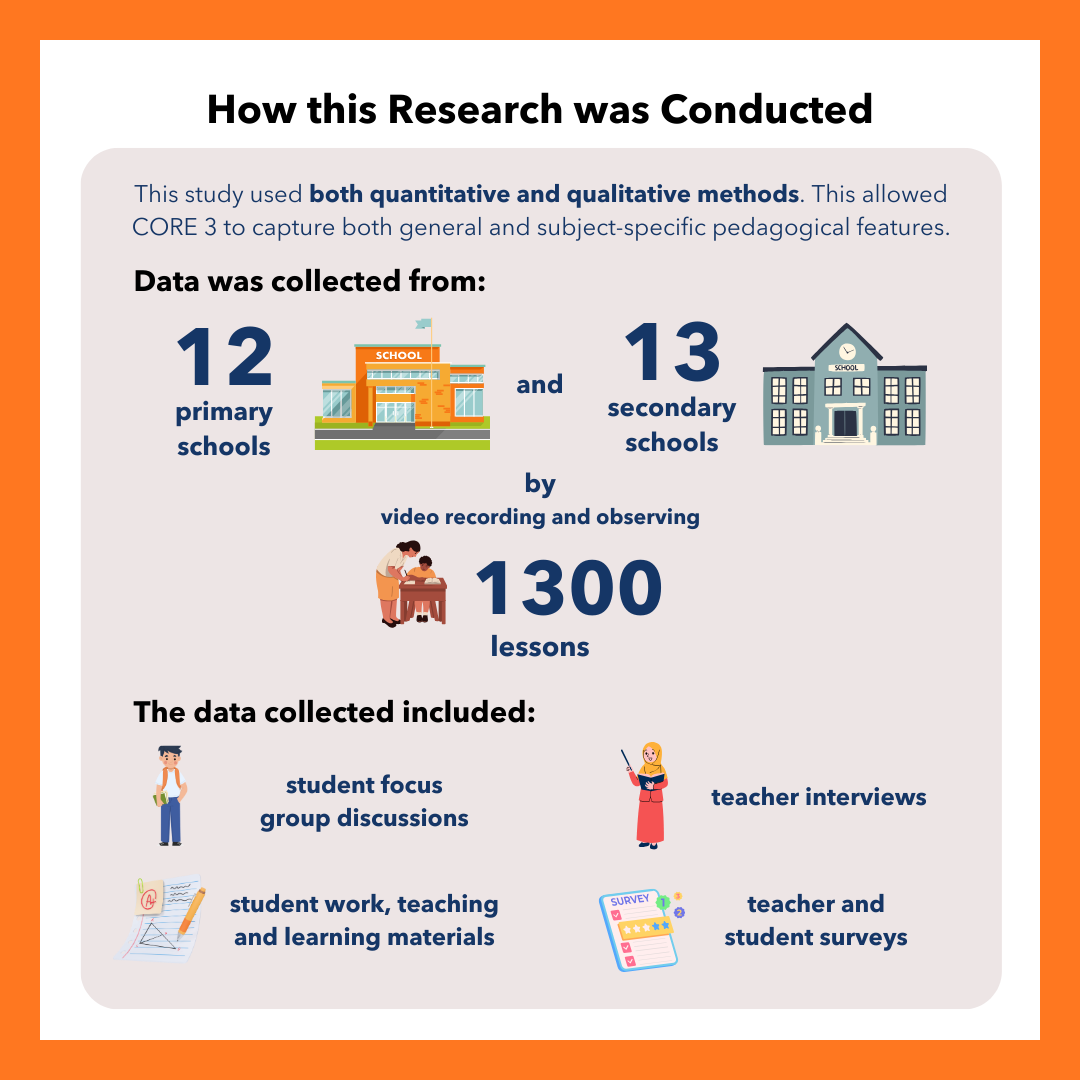
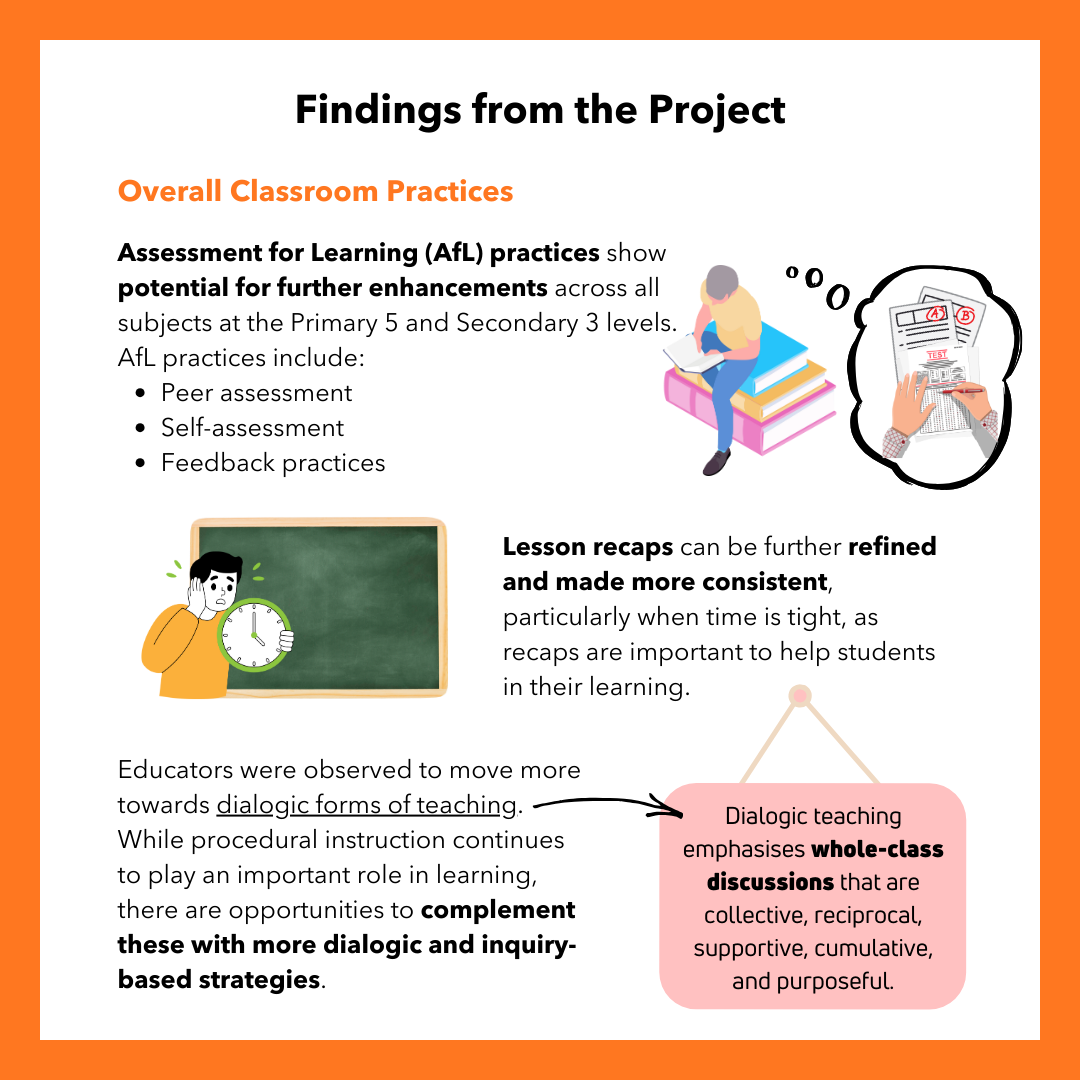
Research Findings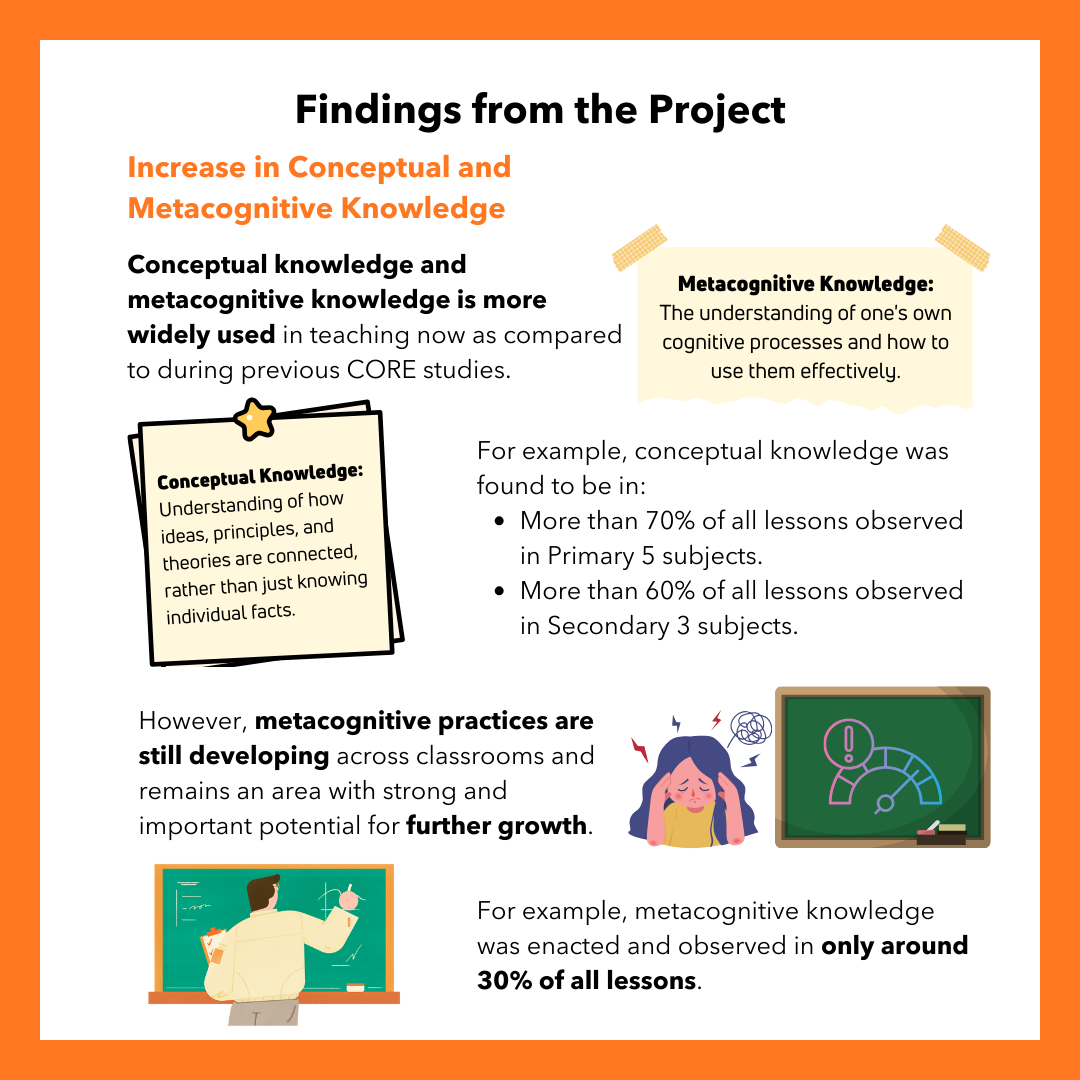
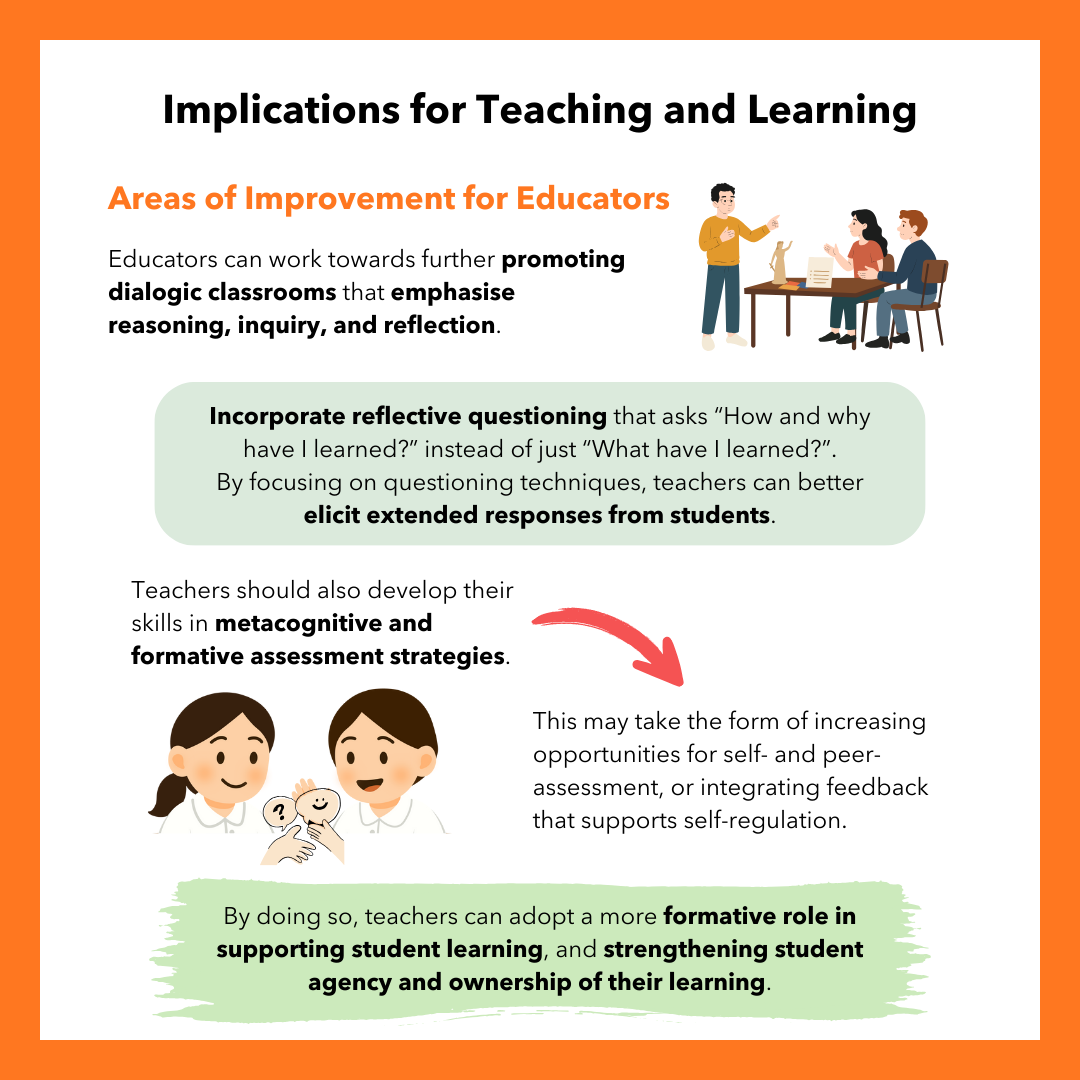
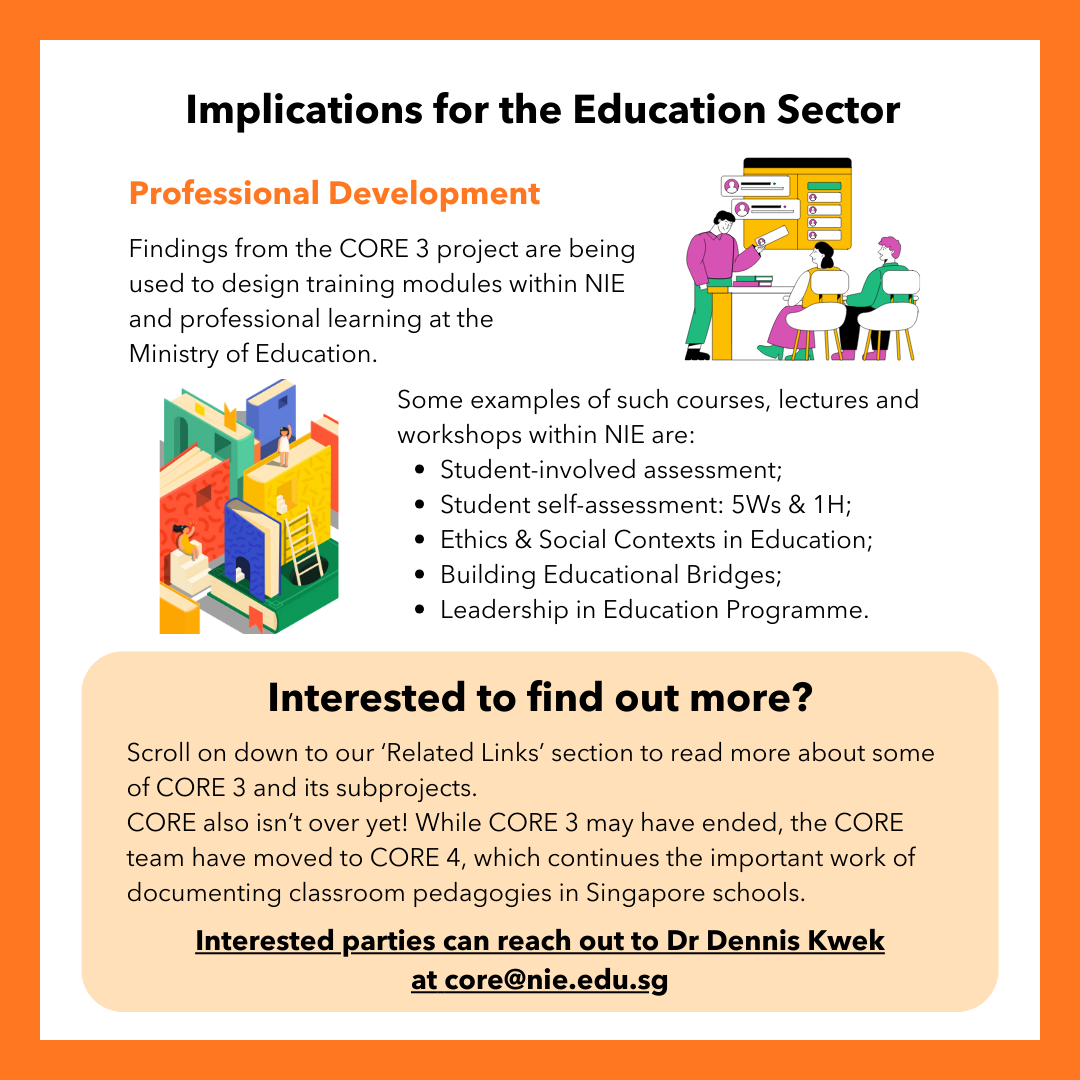
 What Does This Mean for Teaching and Learning?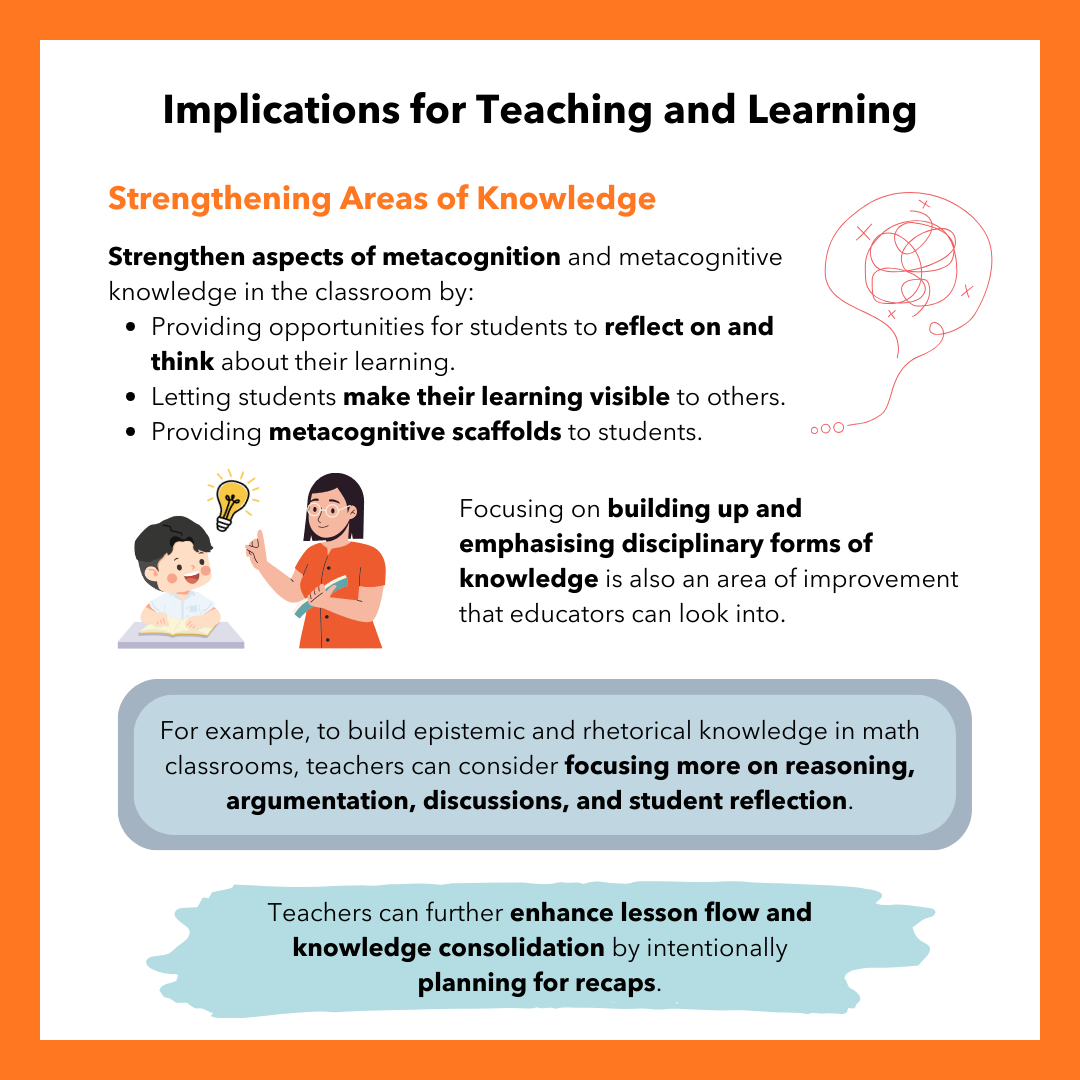
 Related Links Further Readings
For educators interested in the research methodology behind CORE 3, you may refer to:
Research ProjectResearch Team
To learn more about this research, please contact Dr Kwek Beng Kiat, Dennis at dennis.kwek@nie.edu.sg.
Principal Investigator
 Acknowledgement
This study was funded by the Education Research Funding Programme, National Institute of Education, Nanyang Technological University, Singapore (project no. OER 10/17 KBK). Any opinions, findings, and conclusions or recommendations expressed in this material are those of the author(s) and do not necessarily reflect the views of the Singapore MOE and NIE.
This knowledge resource was extracted and reconstructed from the published materials from the research team by Ms Shee Yi Xuan, Katherine with input from Dr Kwek Beng Kiat, Dennis and Ms Lorraine Ow and presented on 1 January 2025.