Young Children’s Voices in Mathematical Problem Solving
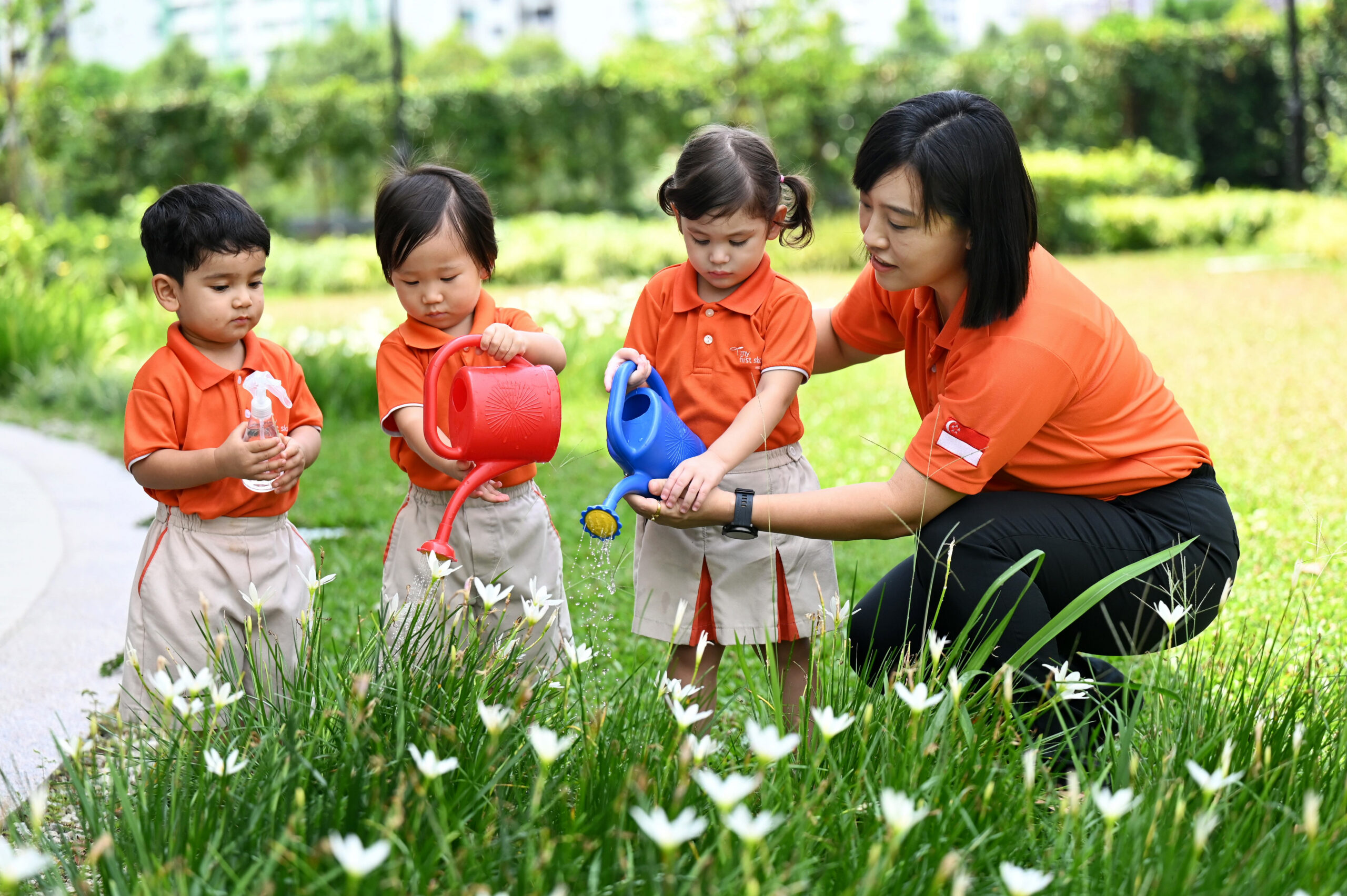
Contributed by Dr Ho Siew Yin and Sng Wei Qin Abbie, from NTUC First Campus, for SingTeach Virtual […]
Read More
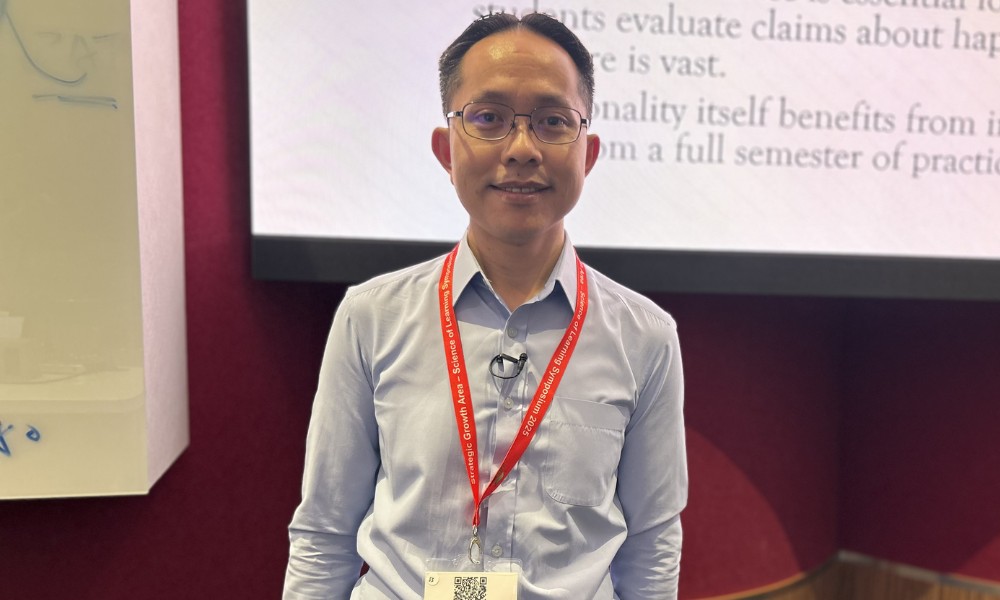
What is the essence of resilience, and how does research identify the protective factors that enable individuals, especially adolescents, to adapt positively in the face of significant adversity? NIE Principal Research Scientist Dr Imelda Caleon shares insights into resilience, highlighting the complementary internal and external factors that shape young people’s capacity to thrive at the recent Strategic Growth Area – Science of Learning (SGA-SoL) Symposium 2025.

When we think of resilience, we might imagine a tree that bends when strong winds blow and then stands upright again after the storm. In a similar vein, resilience can be described as the ability to “bounce back” and adapt positively in the face of significant challenges. It is not just about getting through hard times, but about growing and thriving despite them. Some risk factors, such as language or financial difficulties, make it harder for young people to follow typical developmental trajectories. But protective factors help cushion the effect of these risk factors and strengthen their capacity to cope with adversities. They act like a “psychosocial resource” giving young people what they need to manage and overcome challenges that might otherwise hold them back.
Returning to the tree metaphor, Dr Imelda Caleon who is also Assistant Dean at NIE’s Office for Research highlights two critical, connected elements that promote resilience: strong roots and fertile soil. Strong roots represent internal protective factors that provide strength from within, such as mindsets, beliefs, and a sense of purpose. Fertile soil represents the protective factors from the external environment, like supportive relationships and social systems, that nourishes growth and allows resilience to develop.
Resilience often emanates from a student’s inner strengths. These qualities act as protective factors, helping students not just cope with challenges, but grow from them.
Mindsets, which shape how students interpret experiences and respond to such experiences, are key to resilience. Research highlights three ways mindsets are particularly important:
A clear sense of purpose motivates students to overcome obstacles. Highly resilient students often have long-term, strategic and “self-transcendent” goals, such as supporting their family or contributing to the community. Low-resilience students tend to have shorter-term, self-focused goals.
A known Austrian psychiatrist, best-selling author, and Holocaust survivor, Viktor Frankl, shared that a strong sense of purpose helps people rise above their suffering. It allows them to reframe challenges – see such challenges as part of a bigger picture rather than dwell on setbacks.
“Highly resilient students often have long-term, strategic and “self-transcendent” goals, such as supporting their family or contributing to the community. Low-resilience students tend to have shorter-term, self-focused goals.”
– Imelda, on the the different goals highly resilient and low-resilience students have
“Resilience grows best when students are immersed in supportive environments. Just as a tree needs fertile soil to develop strong roots, students need enabling external factors – especially strong and caring relationships – to thrive,” Imelda shares.
Research shows that the quality of relationships with peers, teachers and parents predicts resilience. “For adolescents, peers serve as the strongest relational factor shaping school resilience, while parents and teachers remain stronger forces for resilience across life contexts,” Imelda explains.
Support from others can be transformative. For example, a student who had missed half a semester was ready to give up, but encouragement from her teacher and friends – a “second chance” – helped her turn things around. She studied hard and did well in her secondary school. Students with lower resilience often cope alone, raising concern that those who need support most are sometimes the least likely to seek it.
Neuroscience confirms the power of connection in developing resilience. Imelda highlighted the results of a study that was conducted by a group of researchers from Germany: Participants preparing for a stressful presentation showed lower stress hormone levels when a friend was present, demonstrating how social support helps in reducing physiological responsiveness to stress.
“Teachers play a central role in nurturing resilience.”
– Imelda, on the important role teachers play in building student resilience
“Teachers play a central role in nurturing resilience,” Imelda emphasizes. Her research also highlights “turnaround teachers” – those who taught classes characterized by a relatively higher percentage of academically resilient students – and the practices that set them apart:
Communicating high expectations can feel stressful for students. In an Australian study cited by Imelda, the most effective teachers, according to students, frame expectations positively: They build confidence (“makes me feel good about myself ”), encourage autonomy (“creating what’s happening”) and take time to understand their needs (“checking in on me”).
Resilience develops through a combination of inner strengths and supportive environments. Resilience from within is grounded in strong roots – adaptive mindsets and a clear sense of purpose. Resilience also grows in the fertile soil of positive, nurturing relationships. Adolescents with strong roots in rich soil are well-positioned to develop into resilient individuals.
When helping young people build resilience, Imelda shares that it is important to keep three key points in mind:
Adults play a key role in creating environments that nurture resilience. Teachers, parents and researchers can provide supportive conditions, but one of the simplest and most powerful tools is modelling resilience ourselves. By talking openly about our experiences and how we navigate challenges effectively, we give young people a roadmap for managing their own difficulties.