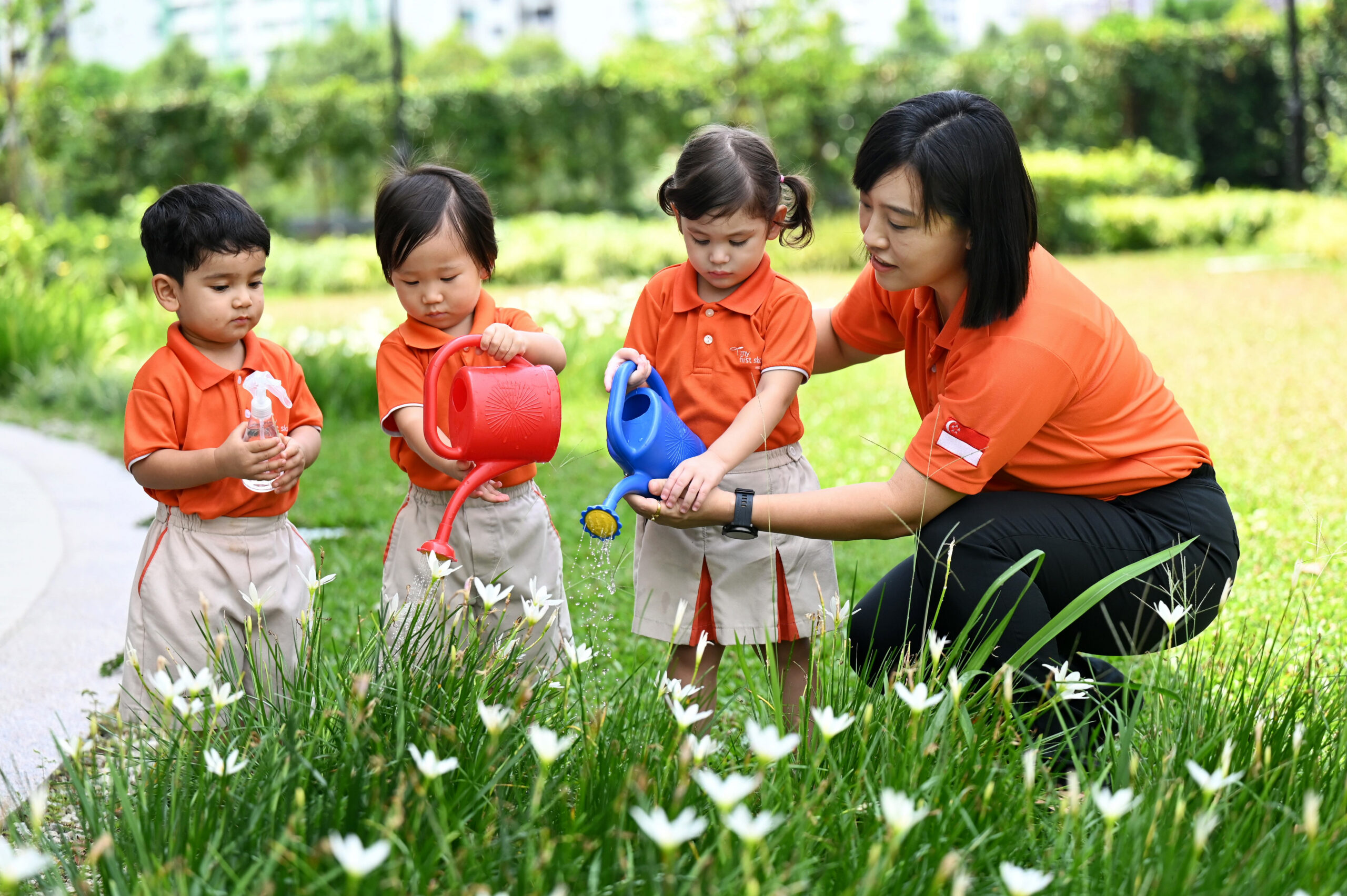
With Singapore being the multiracial and multicultural nation that it is, it is crucial to raise our children to be mindful of diversities and handle differences. How best can we do that? Click on to find out more!
 How findings from Intercultural Mindedness can help your students
Key Insights
- Students tend to understand diversities and multiculturalism through daily interactions and lived experiences.
- Students have differing idea of what constitutes stereotypes and racism, lacking a common vocabulary to manage differences.
- Overall, there needs to be a greater emphasis on intercultural teaching and learning.
- To help students better navigate diversities, it is important to teach them to:
- Reflect on biases
- Challenge assumptions
- Question stereotypes
 Introduction to Cultivating Values from Young

 Research Methodology

 What Does This Mean for Teaching and Learning?


 Related Links
Further Readings
For educators interested in the research behind Intercultural Mindedness, you may refer to:
Research Project
Research Team
Principal Investigator
- Dr Teng Siao See, Assistant Dean, Strategic Engagement, and
Research Scientist, National Institute of Education – Office for Research.
 Acknowledgement
- This study was funded by the Education Research Funding Programme, National Institute of Education, Nanyang Technological University, Singapore (project no. OER 34/17 TSS). Any opinions, findings, and conclusions or recommendations expressed in this material are those of the author(s) and do not necessarily reflect the views of the Singapore MOE and NIE.
This knowledge resource was extracted and reconstructed from the published materials from the research team by Ms Shee Yi Xuan, Katherine with input from Dr Teng Siao See and Ms Lorraine Ow and presented on 27 January 2025.